Why North Indian villages are questioning the tradition of parents sending shrouds for married daughters

Why North Indian villages are questioning the tradition of parents sending shrouds for married daughters
Some young people question the centuries-old custom while many families still find it difficult to abandon the practice.
Hanumangarh Rajasthan/Bathinda Punjab: Angrez Kaur (85), a resident of Malarampura village in Hanumangarh district, Rajasthan, passed away last month. Before her death, she made one final request. She wanted to be cremated in clothes bought by her family in her marital home, not those sent from her parents’ home, as tradition demands.
Her son, Harjinder Singh Gill, said his mother had spoken about it often. “She said she had spent her whole life here, in this house, with her family,” he told 101Reporters. “Why should the final rites be paid for by others? Respecting my mother’s wishes, we bought the clothes ourselves for her last journey.”
For generations across Punjab, Haryana, and Rajasthan, it has been customary for a woman’s parents to send her kapde, the clothes she will be cremated in.
In some communities, the parents also buy the shroud and the wood for the funeral.
Sanjeev Agarwal (50) of Sangaria said, “In our society, the parents still pay for the clothes for the daughter or sister’s last moments, as well as the wood purchased for the funeral.” However, many families now refuse to accept the money.
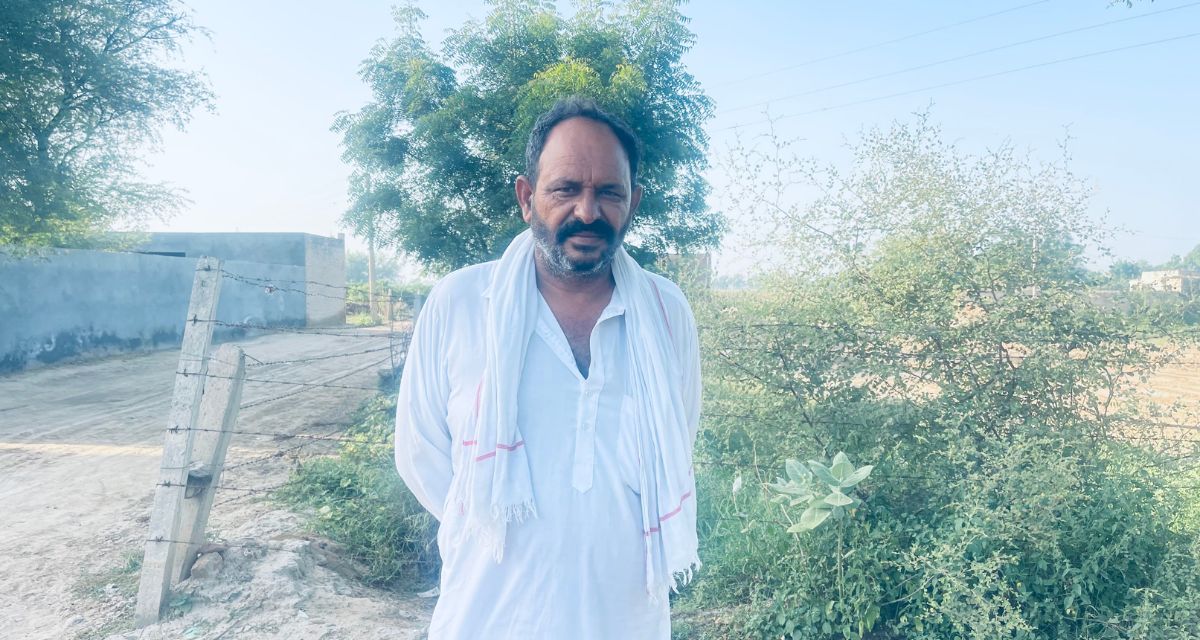 People question the centuries-old custom while many families still find it difficult to abandon the practice (Photo - Amarpal Singh Verma, 101Reporters)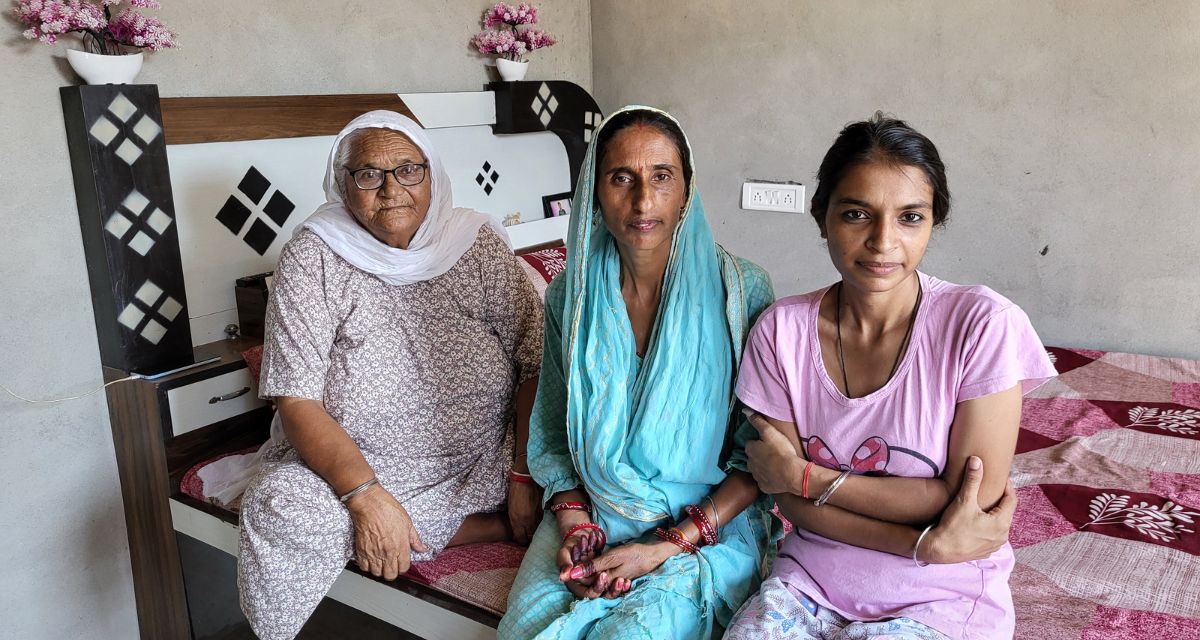
In several villages, when a married woman dies young, her parents are expected to send not only her shroud but also the solah shringar — sixteen items of adornment applied before her cremation. These include bangles, sindoor, bindi, lipstick, and perfume — symbols of married life.
This is traditionally seen as a last act of parental care, and refusing to accept these offerings is still considered disrespectful.
But some families are now moving away from this customs.
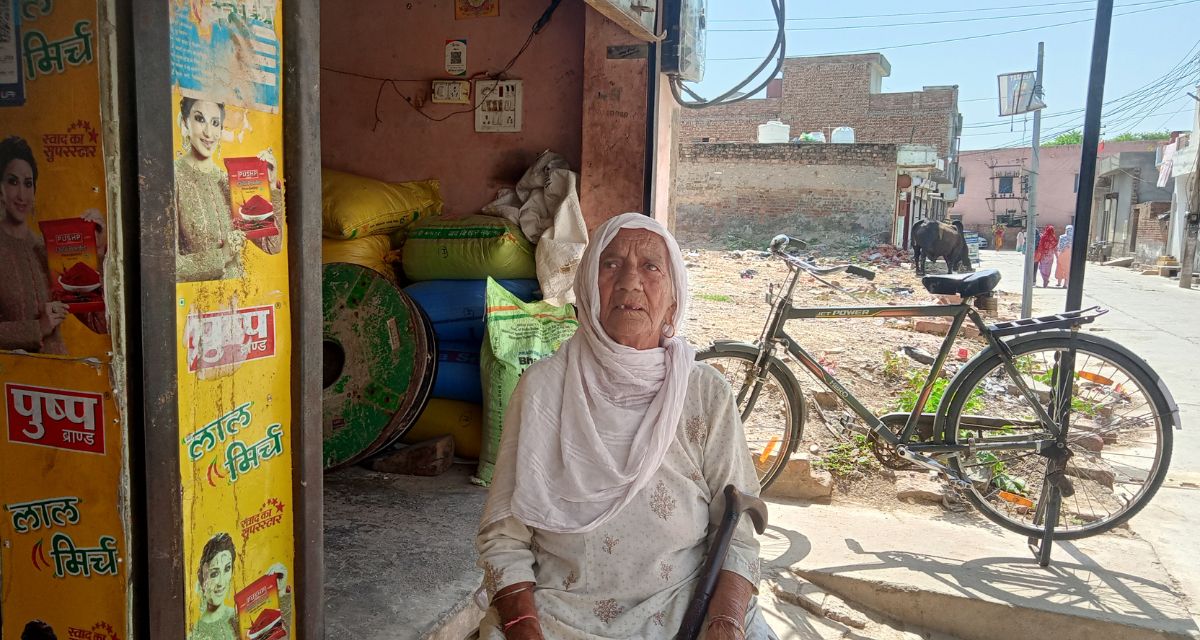 Gurdayal Kaur from Sangaria village explains the practice (Photo - Amarpal Singh Verma, 101Reporters)
Changing times
Kartar Kaur (82), a resident of Mansa village in Punjab's Bathinda district, wanted her body to be dressed in the clothes from her parents’ home. But her son, Bira Singh, disagreed. He said, “I won’t perform this ritual. My mother spent her entire life for us. Can I not buy clothes for her last journey?”
Gurdayal Kaur (85), a resident of Sangaria, however explained that this practice has been followed for ages. “The parents of the women bring the final clothes. If they don’t, they are rebuked for not being able to bring clothes for their daughter,” she said.
The ritual has always carried an emotional weight for both sides. For parents, it reflects their attachment to their daughter and their responsibility towards her until the end of her life. It shows that a daughter remains connected to her parents until her death.
Yet many women now question it. Most of their lives are spent in the home they married into, so why should their final rites depend on a family they left behind decades ago?
“It is symbolic,” said Dr Archana Godara, a sociology professor in Hanumangarh. “It comes from a time when women were considered outsiders in their marital homes, so the family of birth took responsibility till the very end. But women today live full lives in their marital homes. The symbolism no longer fits their realities.”
Some villagers are beginning to express this discomfort more openly. In Haryana’s Chautala, Guddi Kaur (75) said she had discussed the matter with her family. “I told them my cremation should be done from the home I spent my life in,” she said. “I don’t want my children to depend on anyone else.”
Still, resistance persists, especially among elders who see such changes as eroding social bonds. “These customs carry emotional and cultural meaning,” said Dr Bali Bahadur, Associate Professor in the Department of Sociology at Punjab Central University, located in Ghudda village in Bathinda district. “It is not just about money or clothes… it’s about maintaining ties between two families. Breaking that can feel like breaking the relationship itself.”
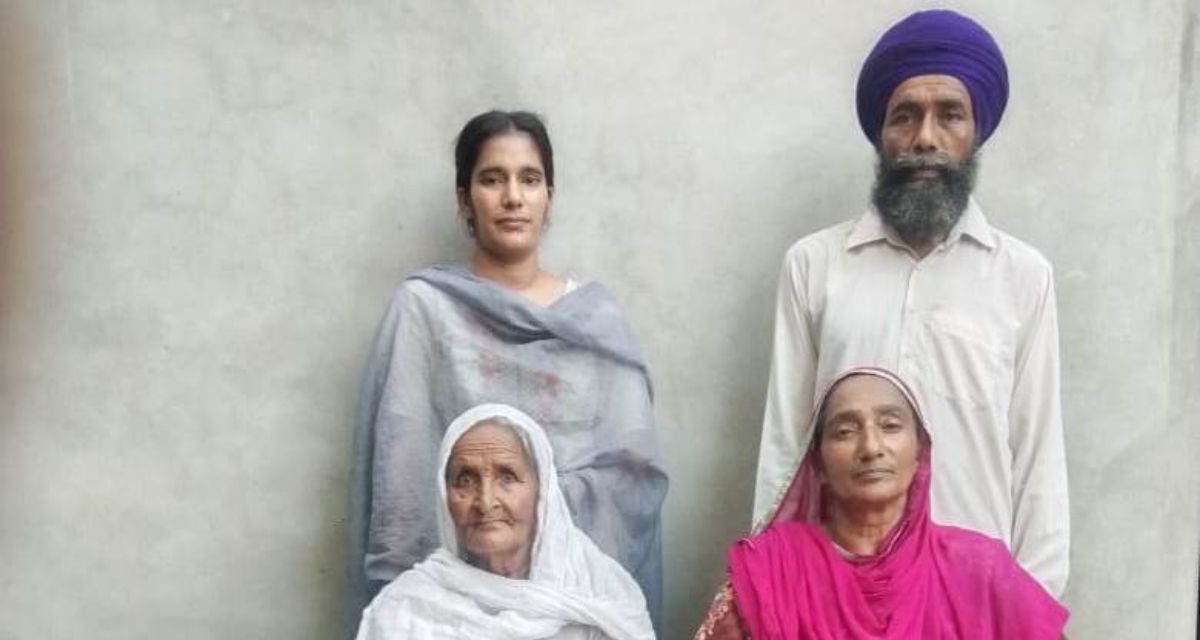 Kartar Kaur who wanted her body to be dressed in the clothes from her parents’ home with her family (Photo - Amarpal Singh Verma, 101Reporters)
Open debate
Gurdayal Kaur (85) from Sangaria explained that people follow the custom since it has been around for so long — as long as she can remember. “The parents of the deceased bring the clothes for the last rites,” she said. “If they don’t, people talk they’re blamed for not being able to send clothes for their daughter.”
For many the custom is painful to follow but difficult to abandon.
Karmajit Kaur (65) from Malarampura, who lost her 30-year-old daughter to dengue, recalled how hard it was to fulfil that duty. “What could have been more tragic for us?” she said. “We not only bought her clothes but also lipstick, bindi, vermilion, bangles, soap and oil for her adornment, as per custom. I don’t know when or why such traditions began, but they should change now.”
The debate has also found a place online.
In 2023, Vanita Kasaniya (45), a poet from Abohar, wrote a short verse about the custom that spread widely on social media.
She wrote, “Pooree umr sasuraal mein gujaaree, mainne phir bhee maayake se kafan mangaana mujhe achchha nahin lagata.” (“I spent my entire life in my in-laws’ home, yet asking for a shroud from my parental home doesn’t feel right to me.”)
In some villages, priests and community leaders are beginning to acknowledge the shift. “There is no mention of this custom in any scripture,” said Pandit Mangilal Saraswat of Sri Ganganagar district . “It is a social tradition, not a religious one. If people wish to change it, they can.”
Jaswinder Singh (65) from Maur Mandi in Punjab, whose family followed these rituals after the deaths of his four sisters said: “It isn’t easy to go against society. People talk if you do things differently.”
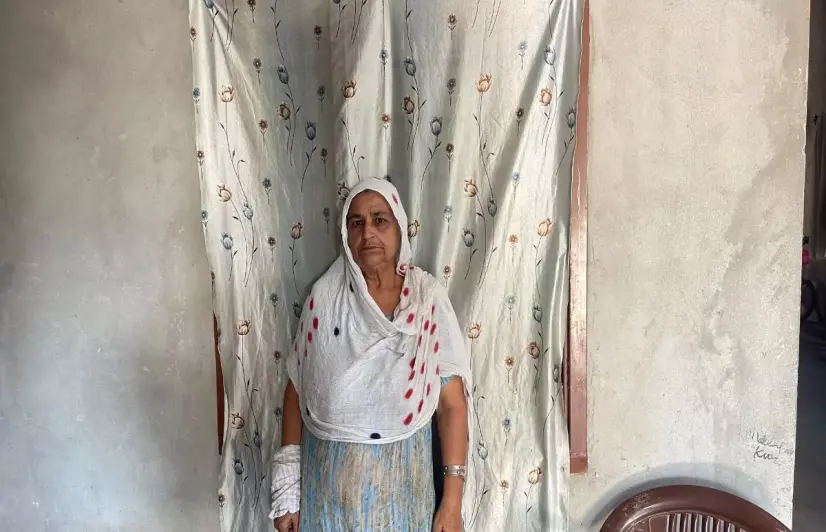
Cover photo - Karmajit Kaur from Malarampura village in Hanumangarh district (Photo - Amarpal Singh Verma, 101Reporters)
Would you like to Support us
101 Stories Around The Web
Explore All NewsAbout the Reporter
Write For 101Reporters
Would you like to Support us
Follow Us On