In Kashmir, traditional kaladi cheese is melting into the hearts of locals and tourists
In Kashmir, traditional kaladi cheese is melting into the hearts of locals and tourists
The demand for the heritage cheese made by Gujjar and Bakarwal communities is growing as the trend of handmade and organic product grows.
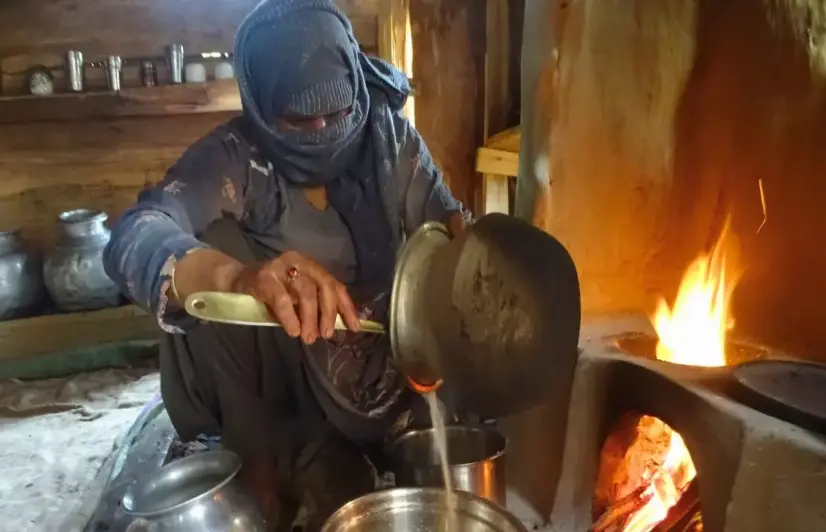
Shopian, Jammu & Kashmir: In the hilly area of Sukudo in Shopian, Rafeeqa Bano crouched beside her chulha (clay stove), gently stirring buffalo’s milk mixed with a dash of buttermilk. As the first curls of smoke rose, the mixture began to thicken. She separated the whey and shaped the sticky mass into a soft round disc, which was Kaladi, the traditional cheese which one could hardly find in the markets of Pulwama and Shopian until last year.
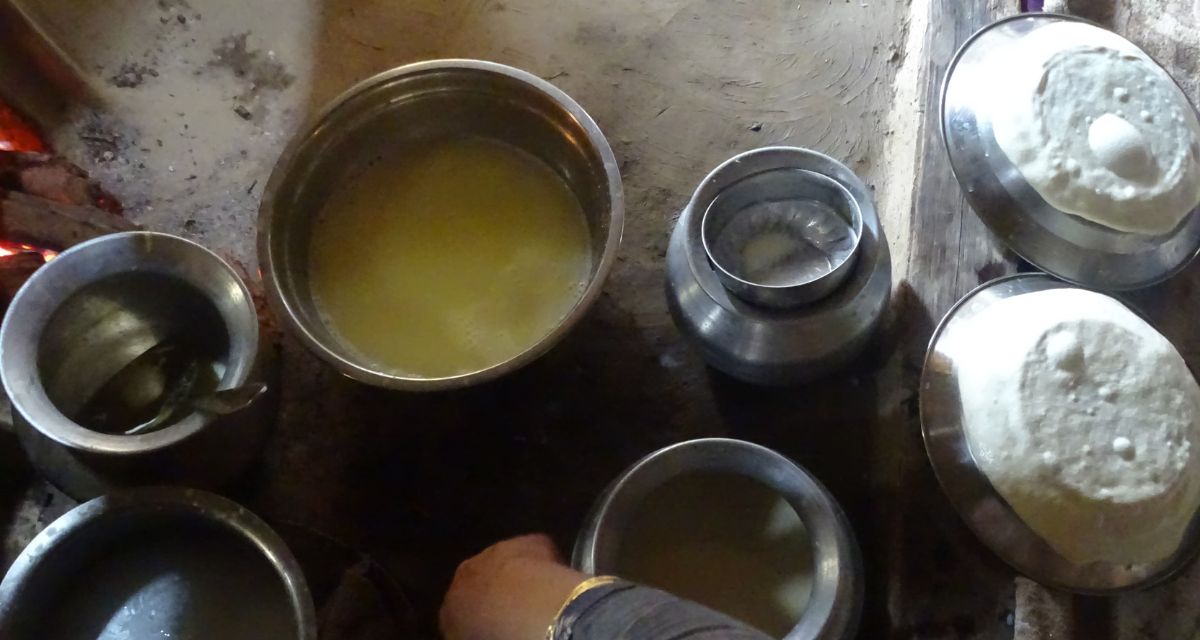 A glimpse into the preparation of Kaladi (Photo - Urvat Il Wuska, 101Reporters)
“For women like me, this is more than food being prepared. It is a piece of our heritage coming back to life,” she said.
Shopkeeper Mohammad Younus, who sells Kaladi near the Jamia Masjid in Shopian said, “We are seeing a rise in demand for Kaladi…people call it organic and handmade as is the trend these days and want to purchase it.”
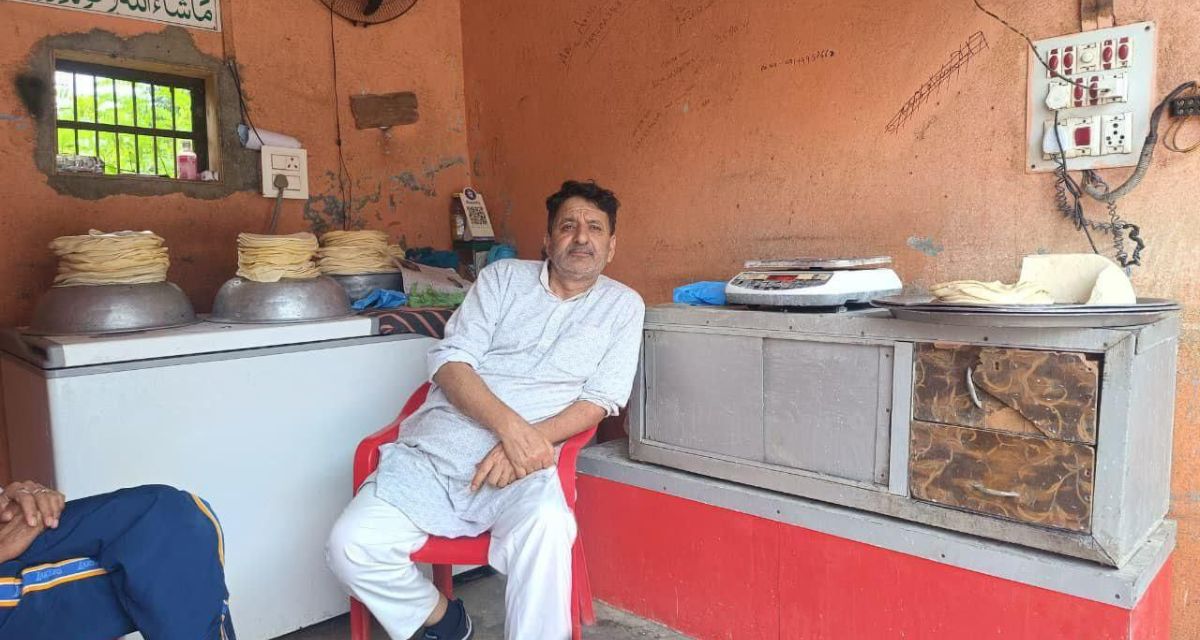 Mohammad Younus, shopkeeper selling Kaladi cheese at his shop in Shopian (Photo - Urvat Il Wuska, 101Reporters)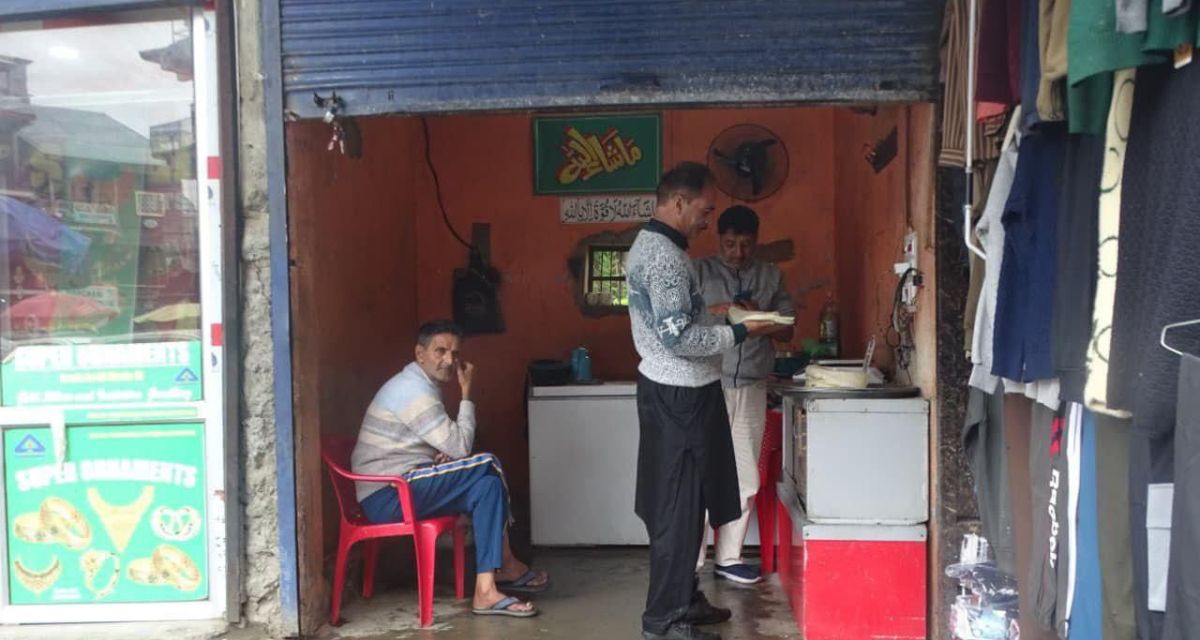
Dietitian Sammer Ahmed Dar, a member of the Indian Dietetic Association, said kaladi is “rich in protein, fat, and calcium and ideal for people living in cold, mountainous regions with physically demanding lives.”
“It’s a nutritional powerhouse and a cultural symbol,” he added.
Also known as the “mozzarella of Kashmir”, kaladi is made by the Gujjar and Bakarwal pastoral communities, who migrate with their cattle to the upper reaches of the Pir Panjal range between May and October. During these months, they live in temporary wooden shelters called dokes, centred around a mud stove where meals and Kaladi are prepared.
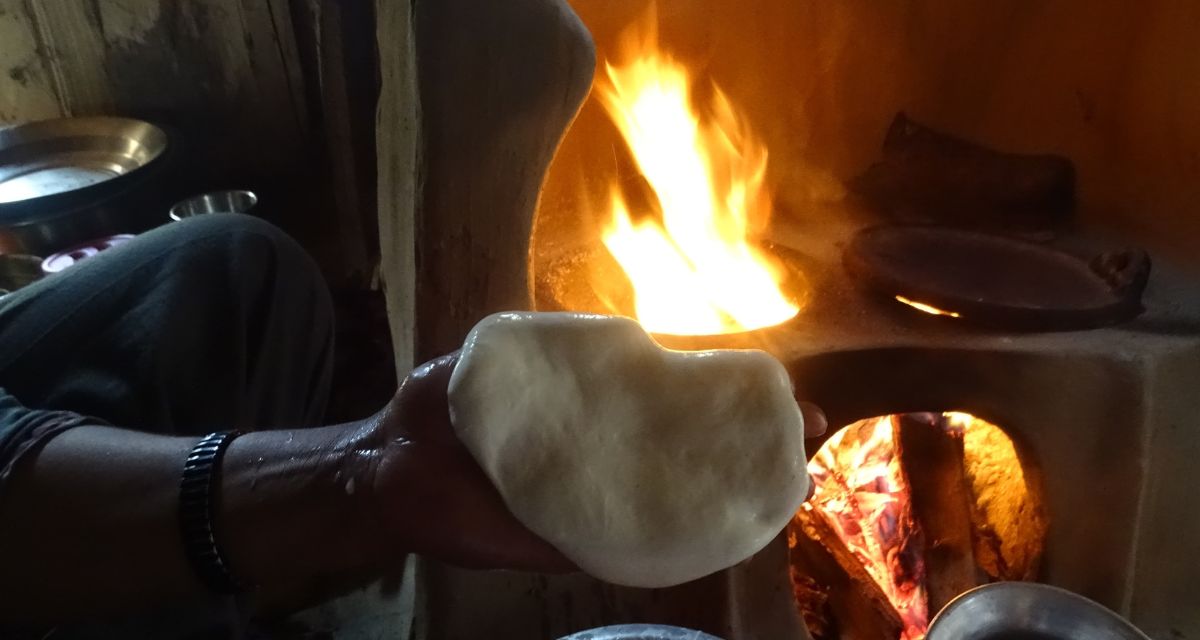 Rafeeqa holds freshly made Kaladi in her hands (Photo - Urvat Il Wuska, 101Reporters)
The heritage of cheese
Traditionally, the Gujjars fermented milk, coagulated and compacted it into large, bread-sized discs, and placed them in baskets made of wild grass and bamboo. These were hung in the sun for months until all the moisture evaporated and the cheese hardened.
According to village elders, the dried kaladi was ground into powder and used to treat diarrhoea in children.
Abdul Majeed, 75, from Shopian, says the cheese also has medicinal value. “For breastfeeding mothers, it helps ease intestinal problems in children.
Traditionally kaladi was cooked with leafy greens, these days it is popularised as a street snack eaten with kulcha.
The cheese also served a practical purpose. In the high mountains, where selling fresh milk daily was impossible, kaladi helped preserve milk for longer and sell it gradually over time.
“For the Gujjar and Bakarwal families, Kaladi locally called Moshkrej is part of our identity,” said Rafeeqa’s husband, Barkat Ahmed. “People are now realising its worth and health benefits, and that gives us confidence.”
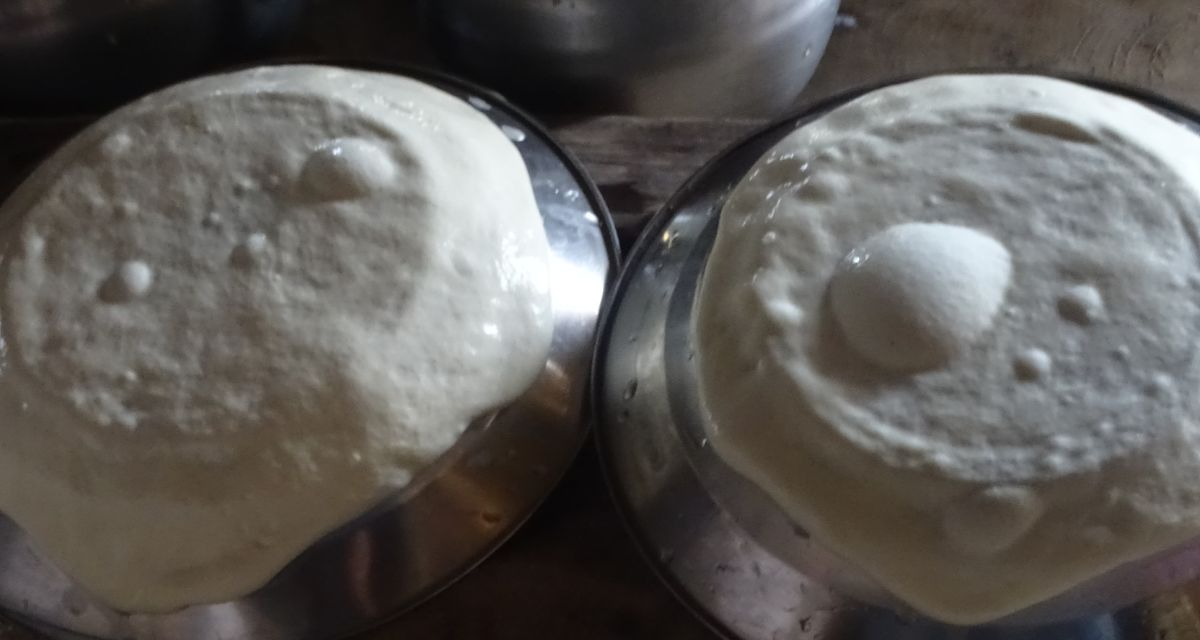 Freshly made Kaladi rests on steel plates, cooling in the mud kitchen (Photo - Urvat Il Wuska, 101Reporters)
The economic revival is modest but meaningful. Families like that of Tamana Bano and her husband, Firdous Ahmad, now earn between Rs 6,000 and Rs 8,000 a month from Kaladi production. “My husband works as a labourer, but his income alone wasn’t enough,” she said. “Kaladi supports our family and helps us preserve our culture. That gives me real satisfaction.”
Most makers use milk from their own cattle, though some buy surplus from neighbours. Production depends on the season and a single doke can produce 20-30 pieces a day when milk is abundant.
Each piece sells for around Rs 25 to Rs 30, but nearly Rs 20 goes into production. Despite low margins, families continue the work for its cultural and sentimental value.
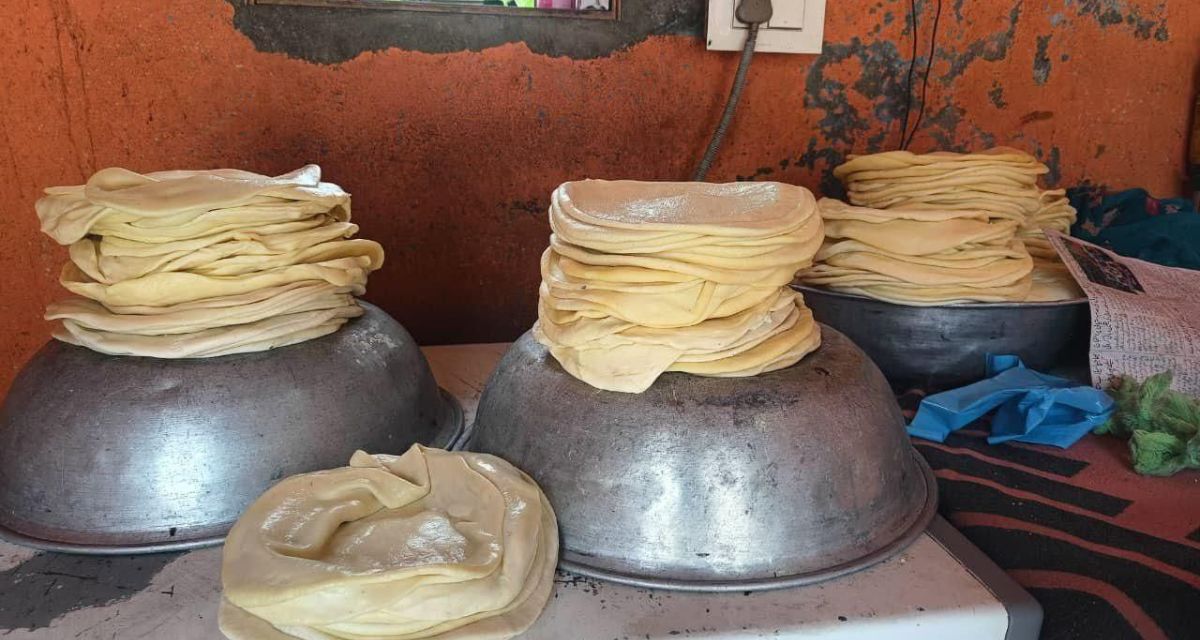 Freshly made Kaladi displayed at a shop in the Shopian market (Photo - Urvat Il Wuska, 101Reporters)
Irshad Ahmad from Shopian explained the process: “We collect kaladi from 10-15 dokes, around 700-900 pieces, and sell them to traders in Shopian or Pulwama. Elderly women still go door-to-door, but younger people use phones and middlemen.”
Gul Bano (50), a kaladi maker said: “My son posts photos and videos online and restaurants started calling us for bulk orders…This season, sales have gone up by nearly 40 percent.”
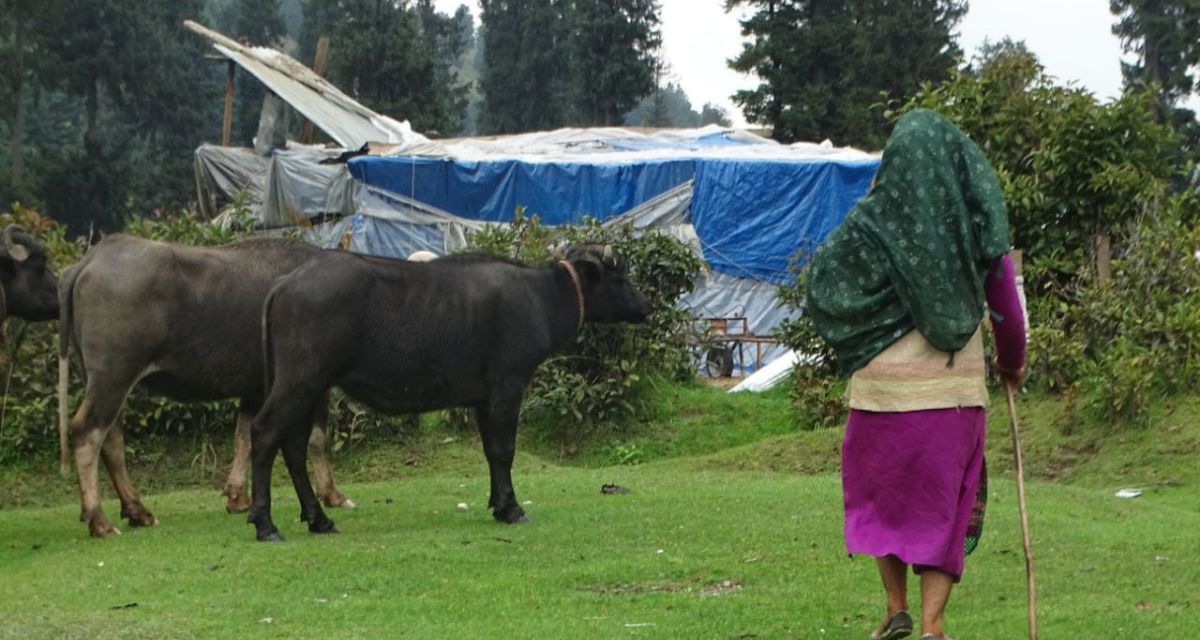 In the shadow of her humble doke, Gul Bano tends to her buffaloes, the heart of her livelihood and daily rhythm in the meadows of Shopian (Photo - Urvat Il Wuska, 101Reporters)
Shopkeeper Younus added that he sells about 100-120 kaladi discs every day up from 70-80 last year. Even tourists come and purchase this cheese, he added.
Change in perception
Not long ago, kaladi’s production had nearly disappeared. “Until the late 1990s, it was still made by the Gujjar community,” Salam Javed (70) from Shopian said. “But because of social bias and class perceptions, people started abandoning it.”
Rukhsar Ahmad, 45 added: “In schools, our children were mocked for being associated with kaladi. We were seen as ‘low caste.’ People avoided us because of the smell of milk,” he says. “About 30-35 families gave up cattle rearing altogether because of this discrimination.”
“Many considered it a poor man’s dish,” added trader Gulzar Kasana, (65). “But after the Covid-19 pandemic, people began realising the value of organic and handmade foods. That has helped bring kaladi back.”
There is a trend of rediscovering traditional foods, he said.
“People are tired of processed food. Kaladi is natural and free from additives which is why it is getting popular,” he added.
Saima Nabi, a teacher from Pulwama said that she started purchasing kaladi as it is handmade by local communities. “I prefer foods that are pure and unprocessed…Buying local produce also makes me feel connected to something real.”
Cover Photo - Rafeeqa in her mud kitchen in Sukudo, Shopian, separates whey from buffalo milk to make Kaladi, keeping alive a traditional Kashmiri delicacy (Photo - Urvat Il Wuska, 101Reporters)
Would you like to Support us
101 Stories Around The Web
Explore All NewsAbout the Reporter
Write For 101Reporters
Would you like to Support us
Follow Us On