No rain in Wakching leaves Manipur farmers uncertain about the coming season

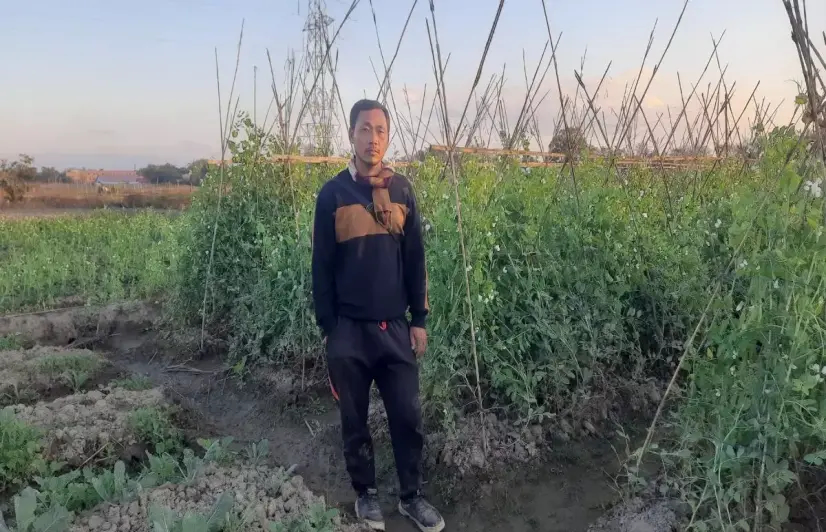
No rain in Wakching leaves Manipur farmers uncertain about the coming season
In Kwasiphai, January showers once used to anticipate rainfall are becoming less reliable
Imphal, Manipur: For generations, people in Manipur have believed that rain during the month of “Wakching” in the Manipuri traditional lunar calendar, which generally coincides with January, is a sign of healthy land and a stable agricultural cycle, crucial in a region where agriculture remains the primary source of income.
“Wakching tha-da nong tadrabadi touheideh,” which roughly translates as “It is inauspicious if there is no rain in the month of Wakching,” goes a Manipuri saying that cautions against a rainless January. In traditional belief, the absence of rain in this period is considered a warning of hardship for both land and people. Historical accounts and oral traditions in Manipur have long associated a dry Wakching with drought and famine.
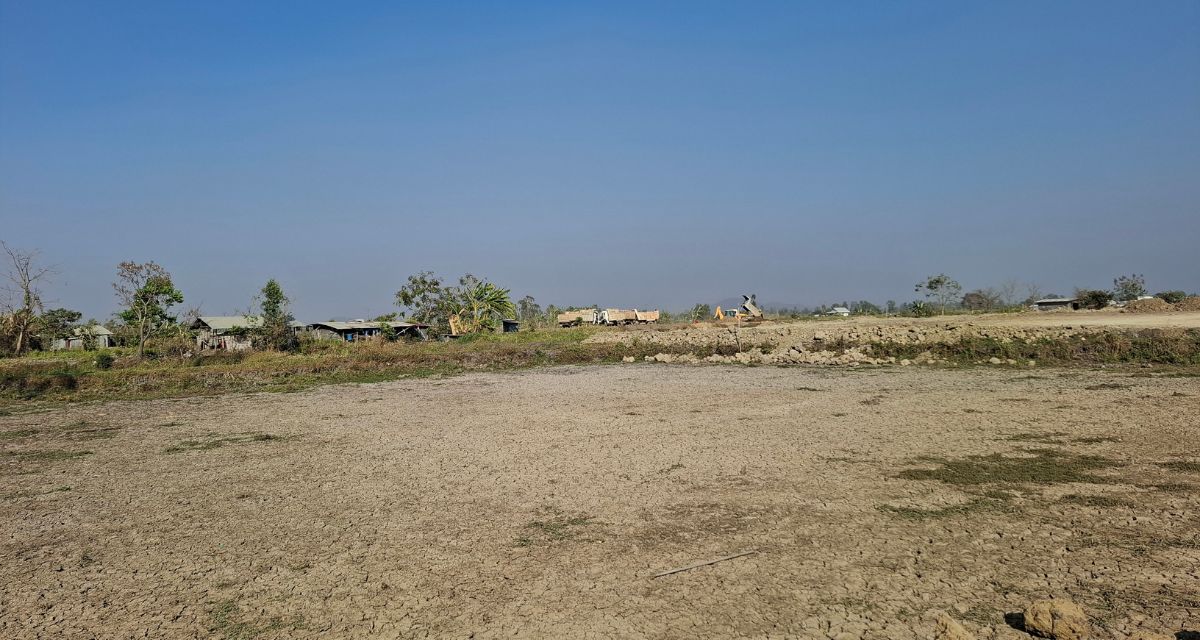 Wakching associated with dry land and famine (Photo - Ngangom Suraj, 101Reporters)
According to Wangam Somorjit, historian and director of the Advance Research Consortium Library and Archives in Imphal, records in the Cheitharol Kumbaba, the royal chronicle of Manipur’s kings covering 76 reigns from 33 CE to 1955, document multiple instances of drought, famine, pest infestations and hardship.
Referring to these records, he said droughts were recorded during the reign of King Khagemba in 1634 and 1641, during King Paikhomba’s reign in 1694 and 1760, and during King Chandrakriti’s reign across several years in the 19th century. In 1848, records indicate there was no rainfall at all.
The belief that a rainless Wakching is inauspicious, he said, likely emerged from such accounts being passed down orally across generations.
 Farmers believe that it is inauspicious if there is no rain in the month of Wakching (Photo - Ngangom Suraj, 101Reporters)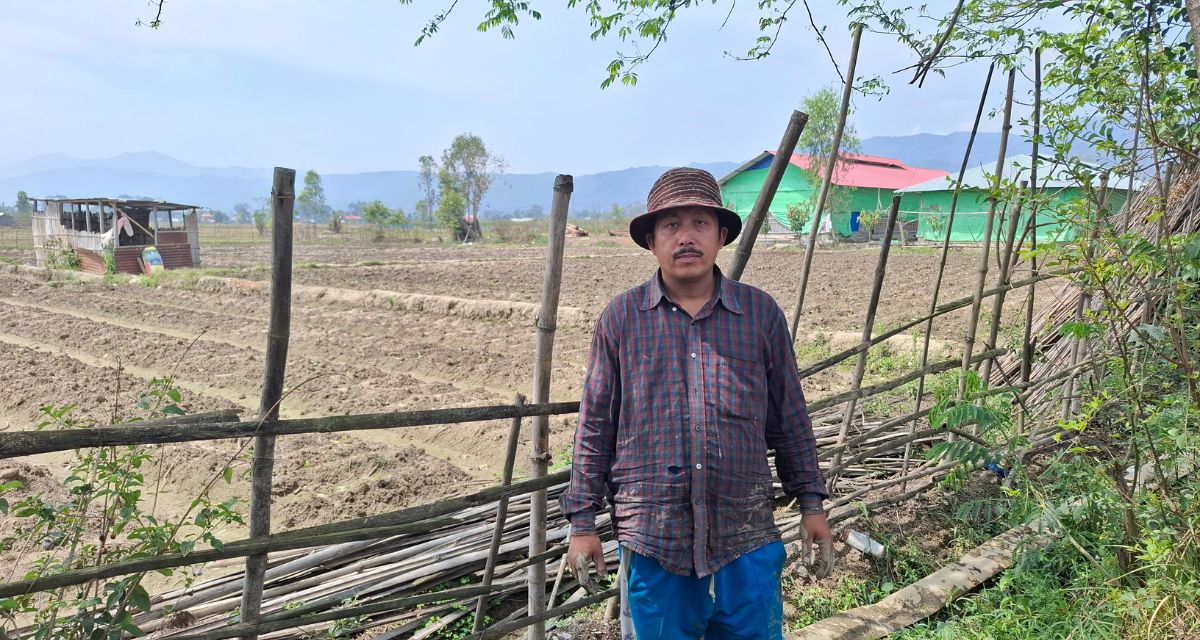
A failing signal
January is typically a dry month in Manipur, making even scant rainfall important for agriculture and water conservation during the lean season. This year, however, the state recorded no rainfall in January, falling short of the roughly 15 mm considered necessary for ecological balance.
Light showers during this period are believed to signal the strength of the coming monsoon. But this year, Manipur has seen more than three months without rainfall, from December 2025 to mid-March 2026, raising concerns among experts about a possible shift in climatic patterns.
In Kwasiphai village in Bishnupur district, a major vegetable-producing region, this absence is already being felt.
“Rain in Wakching usually tells us how the coming season will be,” said 68-year-old farmer Manglembi Devi, who grows mustard and peas during winter. “If there is no rain, it signals less rainfall later. If there is heavy rain, it signals flood. But in the last decade, the rain has become almost entirely unpredictable. It is now very hard to prepare.”
Erratic rainfall
Data from the Directorate of Environment and Climate Change shows fluctuating and often deficient January rainfall over the years: 0.5 mm (2013), 2.1 mm (2014), 25.4 mm (2015), 4.4 mm (2016), 1.3 mm (2017), 2.4 mm (2018), 20.6 mm (2019), 37.5 mm (2020), 9 mm (2021), 21.2 mm (2022), no rainfall (2023), 1.1 mm (2024), 3.3 mm (2025), and none again in 2026.
Dr T Brajakumar Singh, director of the department, said that while long-term climate trends require at least three decades of data, the repeated January deficit cannot be ignored.
“It could be an early indicator of a changing climatic pattern,” he said.
He explained that even normal winter rainfall plays a crucial role in maintaining soil moisture, recharging groundwater and sustaining water bodies during the lean season, reducing the need for irrigation when rivers, ponds and lakes are already low.
The absence of rain, he added, has also led to rising dust pollution, worsening air quality and increasing the risk of respiratory illnesses.
In Kwasiphai, farmers said the impact on agriculture has been immediate and severe.
“This year, more than two-thirds of my crops had stunted growth, were infested with pests and eventually dried up,” Manglembi Devi said.
Farmers in the village said they have faced similar crop failures in recent years, including in 2023, when January also recorded no rainfall.
“Owing to rainfall deficit, many of us are forced to regrow crops multiple times as they keep failing,” said Leimapokpam Robin, 32. “The vegetables are smaller, sometimes deformed. This affects both quality and market demand, and directly reduces our income.”
Despite repeated losses, farmers continue to grow the same crops.
“Potato, cabbage, cauliflower, beans and tomato are well adapted to this area,” said Leimapokpam Sanatomba, 45. “We have been growing them for years. Even though yields are declining, we still rely on them.”
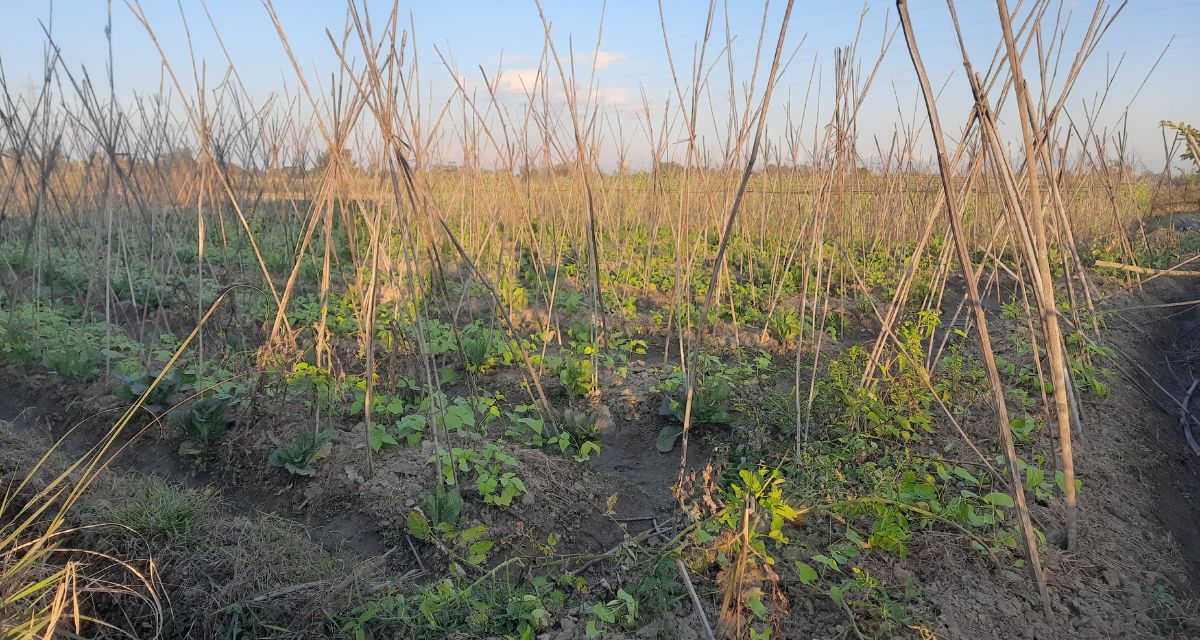 Failing crops in the region (Photo - Ngangom Suraj, 101Reporters)
Water scarcity
With no rainfall, irrigation has become both expensive and uncertain.
“We pump water from ponds, canals and other nearby sources,” Sanatomba said. “But water levels are very low.”
He said he had to buy over 500 metres of pipe and multiple pumps to bring water to his fields. “We are spending thousands of rupees just to irrigate.”
Access to water has also led to conflict.
“There are often quarrels among farmers over who gets more water,” he said.
The ongoing ethnic conflict since May 3, 2023 has further restricted access to traditional water sources in the hills.
“We can no longer reach the catchment areas of streams,” Sanatomba said. “We now depend on canals that have water only for a limited time.”
Farmers and elders also pointed to environmental changes.
“In earlier times, even if rainfall was less, water would remain available throughout the year,” Sanatomba said. “Now, with deforestation in the hills, clearing of catchment areas and excessive extraction from riverbeds, rainwater cannot be conserved. It disappears almost immediately.”
Farmers said cropping cycles are also shifting.
“Earlier, we began plantation in early October,” said Haobijam Bisheshwor, 41. “Now we start in late November or December because temperatures remain high like summer.”
He added that farmers are now facing unfamiliar pest infestations and plant diseases.
“These are new challenges for us,” he said.
Limited adaptation
Even after repeated rainfall deficits, adaptation has been limited.
“Farmers have sought advice from agricultural experts,” Robin said. “But nothing much has helped because rainfall itself remains unpredictable.”
While farmers in other parts of Manipur have shifted to crops such as dragon fruit, strawberries or floriculture, those in Kwasiphai continue with traditional vegetables.
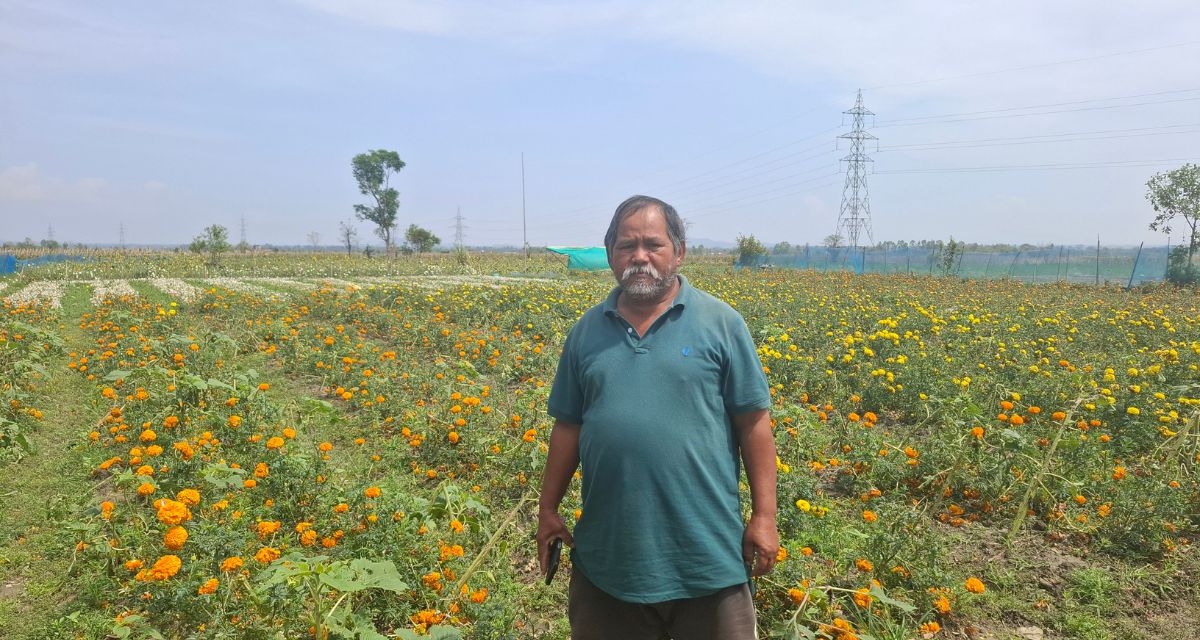
In neighbouring Khoijuman village, however, 64-year-old Khangembam Open Singh said shifting to flowers such as marigold, daisy and sunflower has been more profitable.
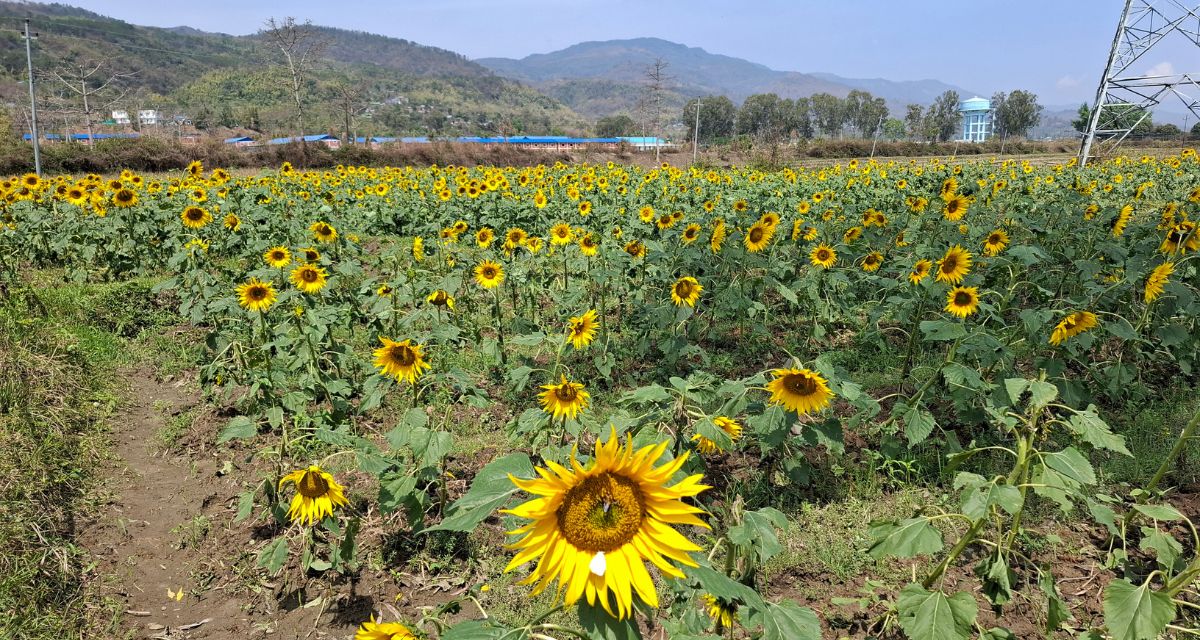 Farmers say shifting to flowers such as sunflowers has become profitable (Photo - Ngangom Suraj, 101Reporters)
“These require less water and have strong demand for rituals and ceremonies,” he said, adding that floriculture also attracts visitors to his farm.
Government response
Khongbantabam Nimaichand Singh, an agriculture officer, said the government has introduced several measures, including integrated farming under the Rainfed Area Development programme and subsidies for drip irrigation under the Per Drop More Crop scheme.
Financial assistance is also provided under the Pradhan Mantri Fasal Bima Yojana during crop loss.
However, farmers said access remains uneven.
“People are aware of these schemes,” Sanatomba said. “But benefits often go to those with connections. Insurance payments take three to four years, when we need support immediately.”
The government has also introduced climate-resilient crops such as millets, and is working with ICAR to identify rice varieties that can withstand both drought and floods. However, adoption remains slow as rice continues to be the staple crop.
Under stress
Retired joint director of horticulture Ngangom Ajit Singh said erratic rainfall and extreme weather can affect both yield and nutritional quality of crops, though the relationship is complex and requires further study.
For farmers in Kwasiphai, however, the concern is already clear.
The absence of rain in Wakching is no longer just a cultural warning—it is becoming a recurring reality.
“The saying is still there,” said Manglembi Devi. “But now, even if we look at the sky, we cannot understand what will happen.”
Cover photo - Farmer Haobijam Bisheshwor working in his field (Ngangom Suraj, 101Reporters)
Would you like to Support us
101 Stories Around The Web
Explore All News