In Kashmir's vegetable hub, a winter disease has disrupted farming

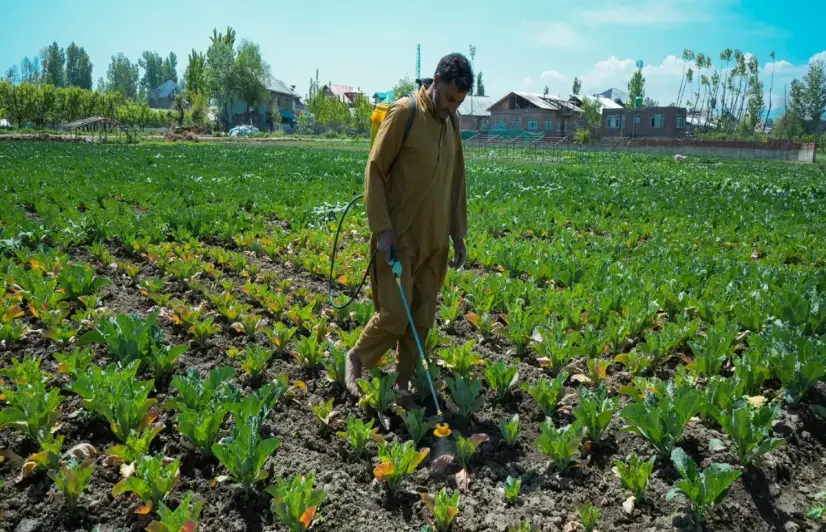
In Kashmir's vegetable hub, a winter disease has disrupted farming
By Ilhak Tantray and Umer Farooq Zargar
Budgam, Jammu and Kashmir: Every winter, thousands of seedlings grow inside the polytunnels that dot Bougam village in central Kashmir's Budgam district. Farmers nurture them through the cold months before transplanting them into fields and supplying neighbouring villages with the seedlings they need for their own crops.
This year, many of those seedlings never made it out of the greenhouses.
An unusually dry winter followed by unseasonal rain and snowfall triggered an outbreak of root rot inside Bougam's polytunnels, damaging seedlings before they could be transplanted. The disease reduced harvests, delayed cultivation and disrupted seed supplies to villages across Budgam and parts of Pulwama that depend on Bougam for planting material.
The crisis is not limited to crop losses in a single village. Because Bougam supplies seedlings to a large network of vegetable-growing villages across central Kashmir, the root rot outbreak has disrupted the region's seed supply chain at its source, delaying cultivation and affecting farmers far beyond Budgam.
Located about 10-12 kilometres from Budgam town, Bougam is known locally as "Chota Punjab" for its intensive vegetable cultivation. The village functions as both a seed-producing and vegetable-growing hub. According to Agriculture Officer Tahir Hussain, most farming families operate at least two or three polytunnels, some provided by the Agriculture Department and others built on their own. The village accounts for more than 40% of Budgam district's vegetable production.
"The majority of farmers have suffered losses this year," Hussain said. "Around 30-40% of the seeds were damaged. If a farmer was expecting 400 quintals of cauliflower, the harvest may now be only around 240 quintals. Transplantation was delayed, harvesting got pushed back and the quality of vegetables was also affected."
For Mohd Shafi Dar, 48, the losses began months before harvest.
Dar has been cultivating vegetables for 15 years. Before that, he grew apples on his 10 kanals of land.
"Initially the orchards looked promising, but later diseases affected the apples and the market suffered," he said.
About a decade ago, he converted the orchard into vegetable fields and began growing cabbage, cauliflower, spinach, broccoli and other crops. In a normal year, he harvests 400-500 quintals of vegetables.
"This year I don't expect even 400 quintals," he said.
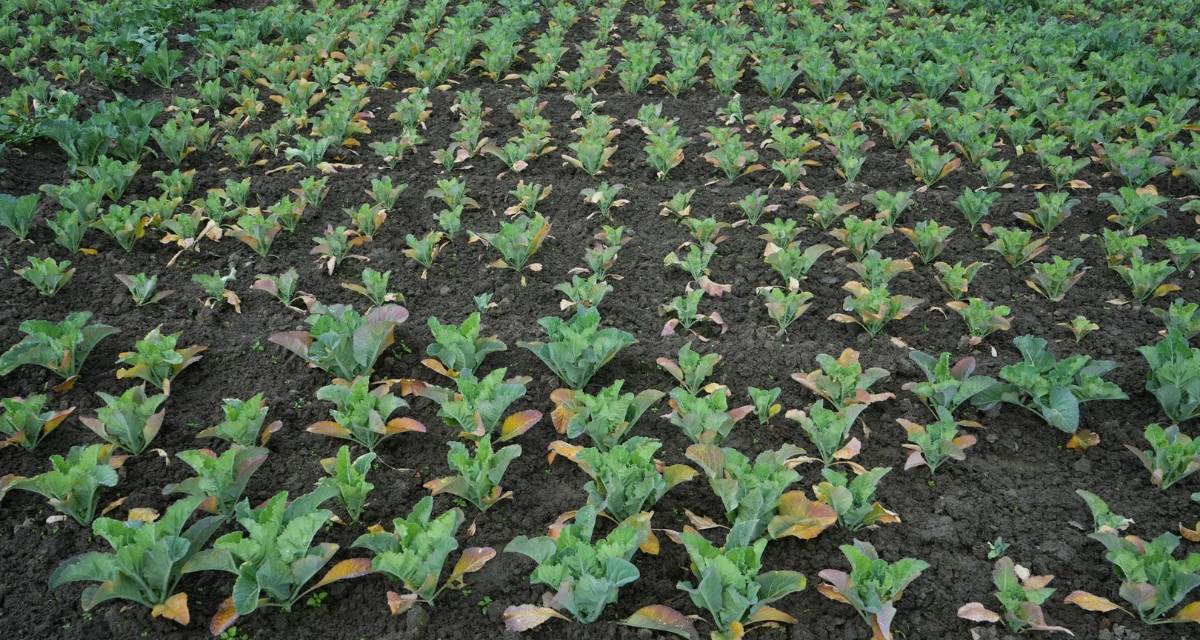 All vegetables in the first season (April) including cauliflower, spinach and carrots developed diseases after the dry winter months of November, December and January 2025 ( Photo - Owais Amin, 101Reporters )
 According to Dar, the problems began during the winter months of November, December and January.
"The winter remained unusually dry," he said. "Normally rainfall and snowfall help maintain moisture levels. This year there was no natural moisture and the soil inside the greenhouses hardened."
Farmers tried to compensate by watering the seedlings themselves. But when untimely rain and snowfall arrived later, moisture levels fluctuated sharply.
"A black mark develops around the roots. Once it appears, the seedling is no longer viable," Dar said. "We watered the seeds, but the natural moisture that usually sustains them was missing. Then suddenly there was too much moisture. The imbalance ruined many seedlings."
The consequences extended well beyond the greenhouse.
"Cauliflower should be at its peak now, but production is low," he said. "The seedlings were not healthy."
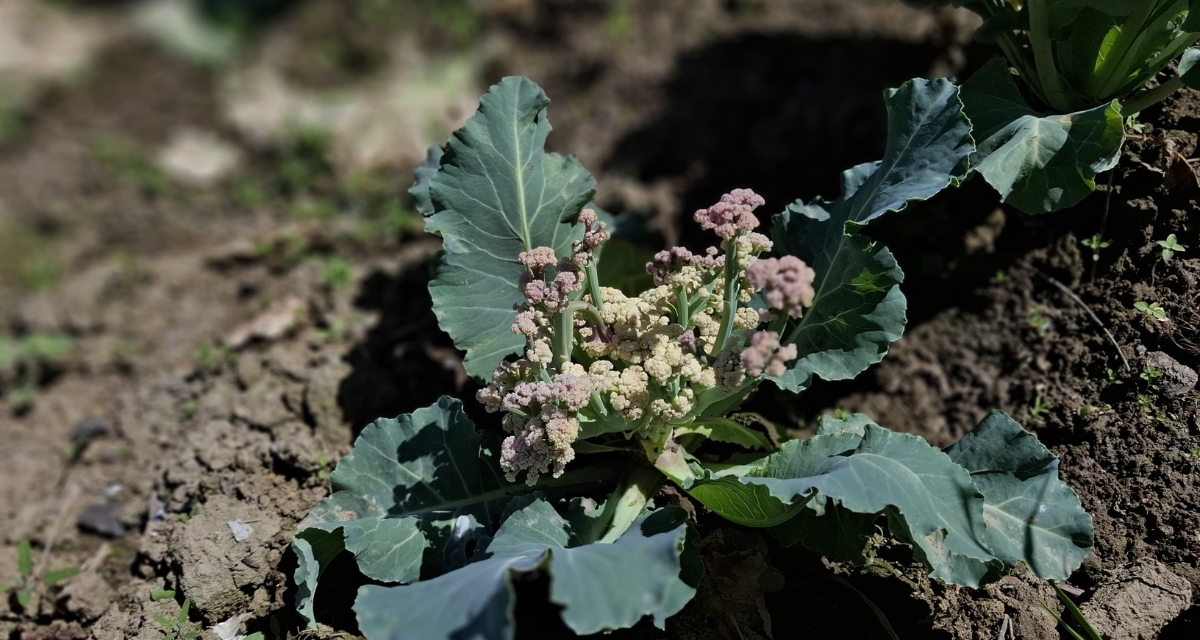 Red blotches have appeared on cauliflower across many kanals of land, and most heads have developed the disease this year ( Photo - Owais Amin, 101Reporters )
Lower production means lower income at a time when farming costs continue to rise.
From three kanals of carrot cultivation, Dar earned only Rs 50,000-60,000 this season, compared with around Rs 1.5 lakh in a normal year.
"When production falls, everything becomes difficult—education, healthcare, fertilisers and pesticides," he said. "Dry winters also mean we have to spend more on inputs."
Each greenhouse contains seeds worth between Rs 50,000 and Rs 1 lakh. Across the village, the losses have been substantial.
According to Hussain, more than 1,000 truckloads of vegetables were dispatched from Bougam in 2025. By this stage of the season in 2026, only 250-300 truckloads had left the village, compared with the 400-500 truckloads that would normally have been dispatched.
For years, many farmers in Bougam moved away from fruit cultivation and towards vegetables in search of more stable incomes.
Among them is Javed Ahmad Bhat, 58, whose family converted its 20-kanal orchard into vegetable fields more than two decades ago.
The orchard once contained cherries, plums, apricots, pears, apples and grapes. Repeated waterlogging, however, damaged the fruit trees.
"Too much water was dangerous for the orchards," Bhat said. "We suffered losses in apples and other fruits."
Vegetable cultivation initially offered better returns, but changing weather patterns have made farming increasingly uncertain.
"Over the last four or five years, the climate has become unpredictable," he said. "When rain is needed, it doesn't come. When it isn't needed, it rains."
Vegetables require moisture, but excess water can damage crops and reduce yields.
"If too much water enters the fields, the soil is affected and the vegetables suffer," he said.
This season, carrot cultivation was among the worst affected.
"I usually harvest 20-30 quintals of carrot per kanal," he said. "This year I expect only four or five quintals. It is a complete loss."
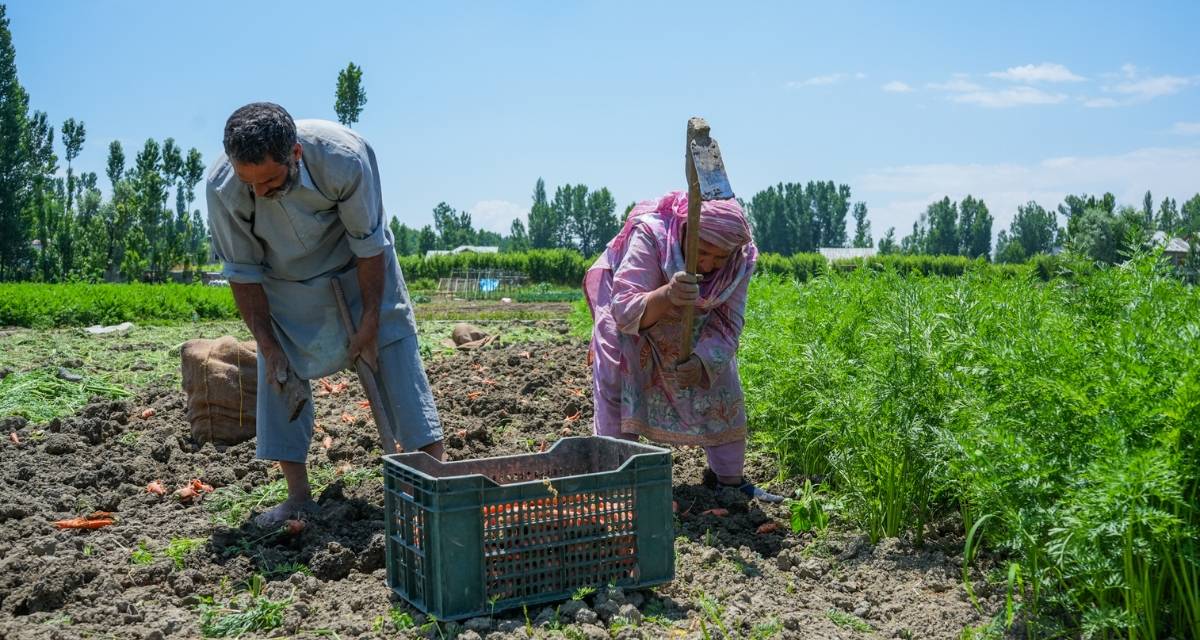 June 6: Bougam farmers at work, harvesting carrots from the fields ( Photo - Owais Amin, 101Reporters )
 Bhat said the effects of changing weather are visible beyond a single season. Delayed snowfall, reduced soil moisture and declining water availability have made cultivation more difficult.
"Glaciers have begun melting and water availability has reduced over the years," he said.
The uncertainty has forced some farmers to reduce the area they cultivate.
According to Hussain, an Agriculture Department survey conducted in 2022 found that around 10% of 240 hectares of farmland in the area remained unsown. That figure is now approaching 25%.
Erratic weather and disruptions to irrigation systems are among the reasons, he said.
This year's crisis, however, was not limited to reduced harvests.
The disruption began at the very source of the seed supply chain.
The dry winter hardened soil inside the greenhouses and reduced the steady moisture required for germination. When farmers irrigated the seedlings and unseasonal rain and snowfall followed, the rapid shift from dry to saturated conditions triggered root rot, rendering many seedlings unusable.
Because Bougam supplies seedlings to a large network of villages, the impact quickly spread beyond the village itself.
Fayaz Ahmad Lone, a farmer from Bougam, said villages including Brenwar, Sursyar, Khansahib, Kultreh, Kaisermullah, Nowbugh, Sarie, Kuzwaera, Wathoora, Sougam, Ranger, Parigam, Wampora, Khanda and Chattergam depend on Bougam for seedlings. Farmers from parts of Pulwama district also purchase planting material from the village.
"In the first season of 2026, many of these villages did not receive seedlings from Bougam," he said. "The shortage delayed planting across the region."
Young farmer Bilal Ahmad Bhat, 30, said he had never seen root rot affect seedlings at such a scale.
"The greenhouses were warmer because the winter was dry," he said. "Seeds started breaking. A black mark appeared and then they rotted."
The disease delayed transplantation and pushed back harvesting schedules.
"By mid-April we should have been harvesting cauliflower," he said. "Instead, production is low and we are still waiting."
For older farmers, the outbreak stands out as an unprecedented event.
Ab Gani Bhat, 76, has spent decades farming in the area. Before switching to vegetables, he cultivated paddy.
"I have seen many farming problems over the years," he said. "But they usually happened after transplantation. This is the first time I have seen root rot inside the polytunnels themselves."
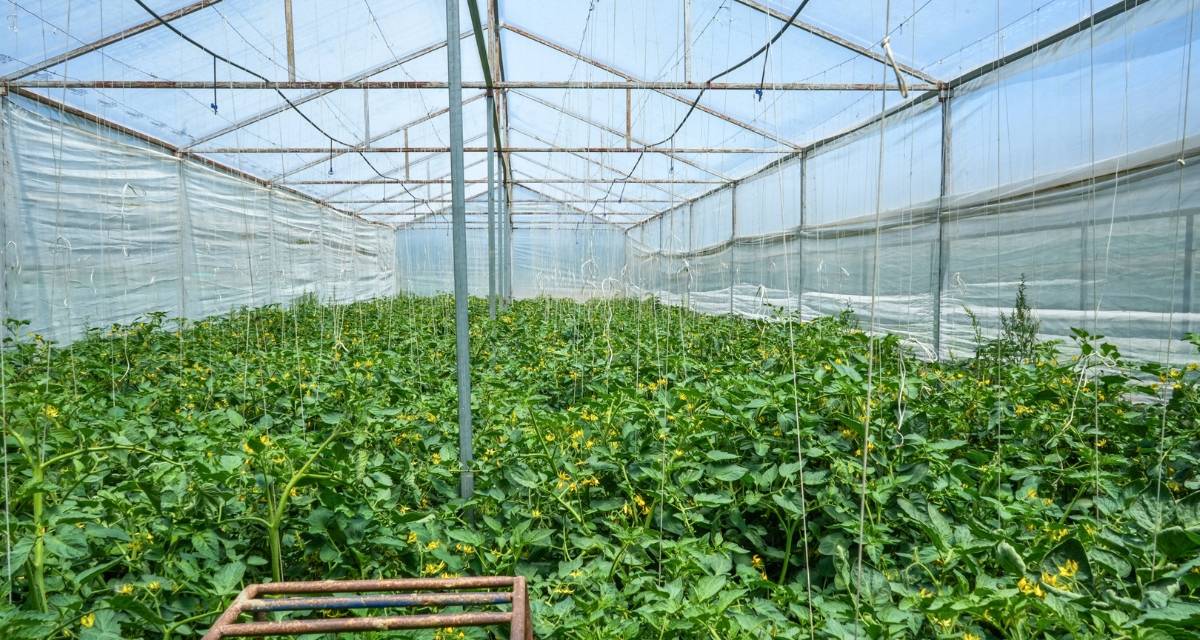 Interior view of the pollytunnel showing cucumber plants ( Photo - Owais Amin, 101Reporters )
 Agriculture officials say they have not encountered a similar outbreak inside greenhouses in the district before.
The shortage was also felt by farmers and seed sellers in neighbouring villages.
Gh Rasool Dar, 62, from Nowbug village, about five kilometres from Bougam, normally purchases seedlings from Bougam and sells them to farmers in Nowbug, Sursyar and nearby areas.
In a typical year, he procures seedlings for around 15 kanals of land and sells about 13 quintals of spinach seeds alone.
"This year the number of seedlings has fallen by around 40%," he said. "I don't even have enough to supply beyond my own village."
His earnings have fallen accordingly.
"I earn my livelihood from this business," he said. "Income is very low this year."
According to Hussain, villages that depend on Bougam for seedlings have suffered losses of 20-25% because of the shortage.
The crisis has also forced some farmers to look elsewhere for planting material.
Many said the Agriculture Department's supplies are limited and do not meet demand. Others are increasingly turning to imported hybrid seeds sourced from countries such as Japan and China.
These seeds are more expensive and require greater care, farmers said, but alternatives are limited.
Dr Mohammad Muslim of the University of Kashmir said the outbreak was linked to rapid weather fluctuations during the winter season.
The prolonged dry period hardened the soil and reduced beneficial microbial activity. When sudden rain and snowfall followed, conditions became favourable for pathogens such as Pythium, Phytophthora and Rhizoctonia, which cause root rot.
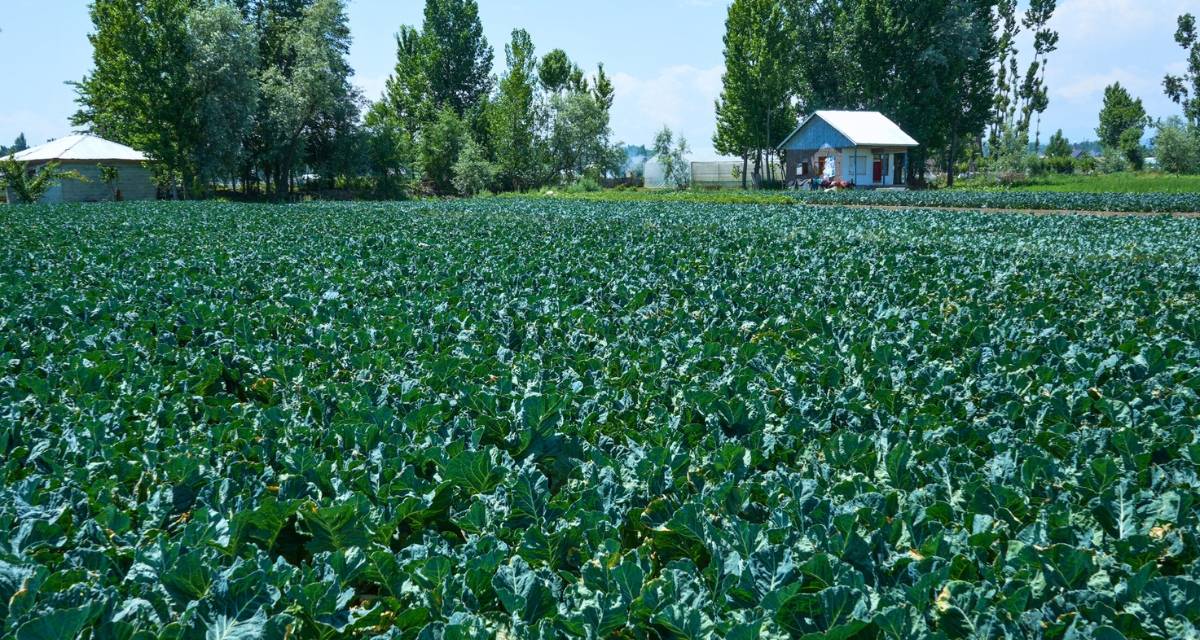 A patch of collard greens (haakh) in the field: the leaves show yellow spots and small holes, a sign of damage to the seedlings ( Photo - Owais Amin, 101Reporters )
 The disease observed by farmers was a result of these abrupt shifts in moisture and temperature, he said.
For now, Bougam's farmers are hoping the next planting season will bring relief.
"The rains have to come at the right time," Dar said. "Otherwise it will be a disaster not only for me, but for the entire community."
This story was produced as a part of 101Reporters Climate Change Reporting Grant.
Cover Image - A farmer sprays pesticides on vegetables in Bugam, Budgam, aiming to salvage a quality harvest ( Photo - Owais Amin, 101Reporters )
Would you like to Support us
101 Stories Around The Web
Explore All NewsAbout the Reporter
Write For 101Reporters
Would you like to Support us
Follow Us On