How climate change is supercharging lightning in West Bengal

How climate change is supercharging lightning in West Bengal
As hotter, wetter summers drive up lightning strikes across Bengal, rural families in Hooghly are left to face deadly storms with patchy alerts, thin compensation and a trail of invisible survivors.
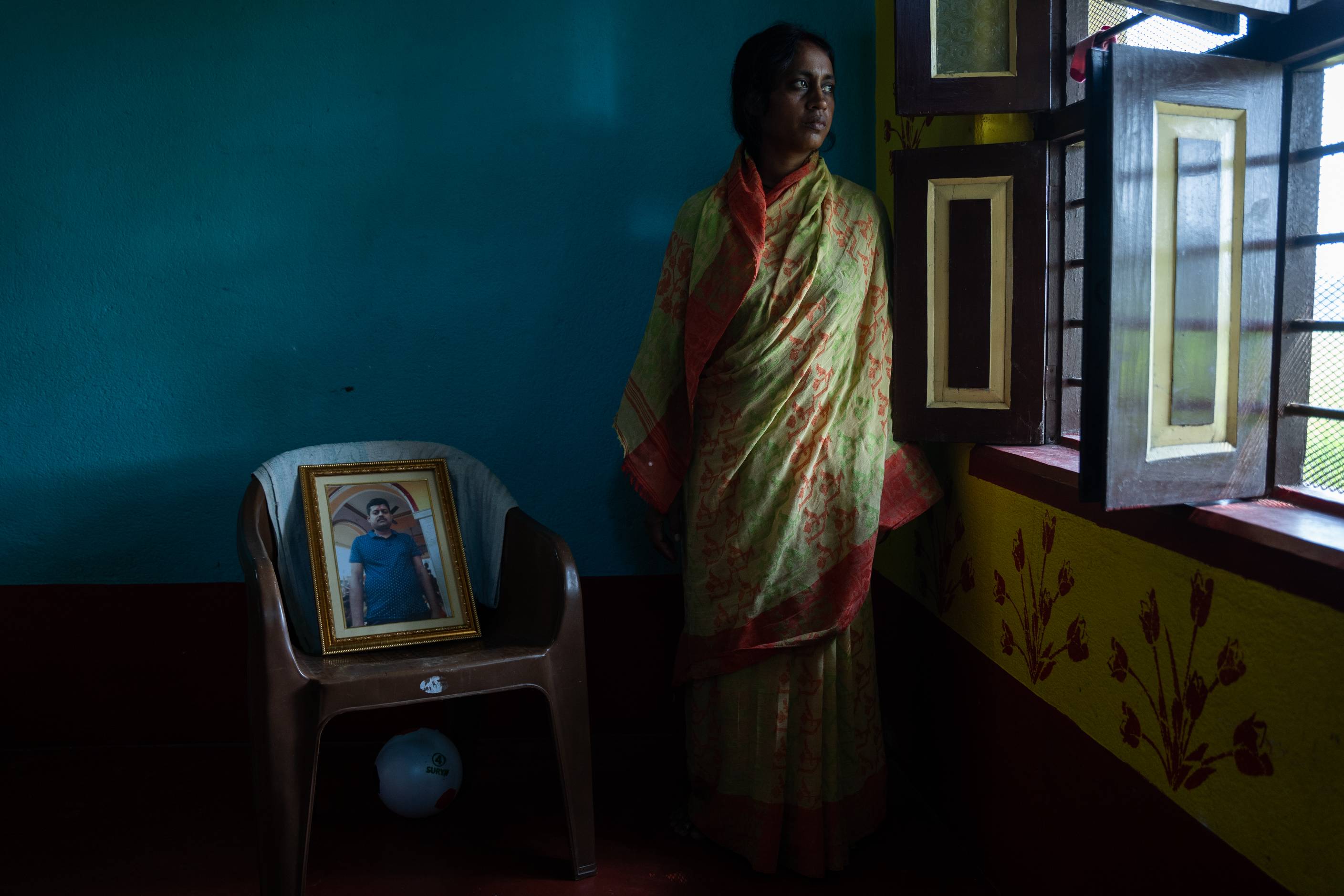
Hooghly, West Bengal: On June 6, 2021, lightning killed 26 persons in West Bengal in a single day. Ten of them were from Hooghly district, just a few kilometres from this reporter’s home in Chandannagar. Among the dead were Hemanta Guchait (40) and Malabika Guchait (35) of Balipur village in Tarakeshwar block. They were returning from their paddy field when lightning struck, leaving behind their daughter, Raika (12).
When this reporter visited the family in October 2025, Raika’s grandmother, Puja Samanta (65), still struggled to speak about that afternoon. “Raika goes to school now,” she said, “but we don’t let her step outside when clouds gather. Even a distant rumble makes her cry.”
Raika has grown taller since that day, but she carries memories too heavy for her age. “I miss my Baba,” she whispered. “He used to drop me at school.”
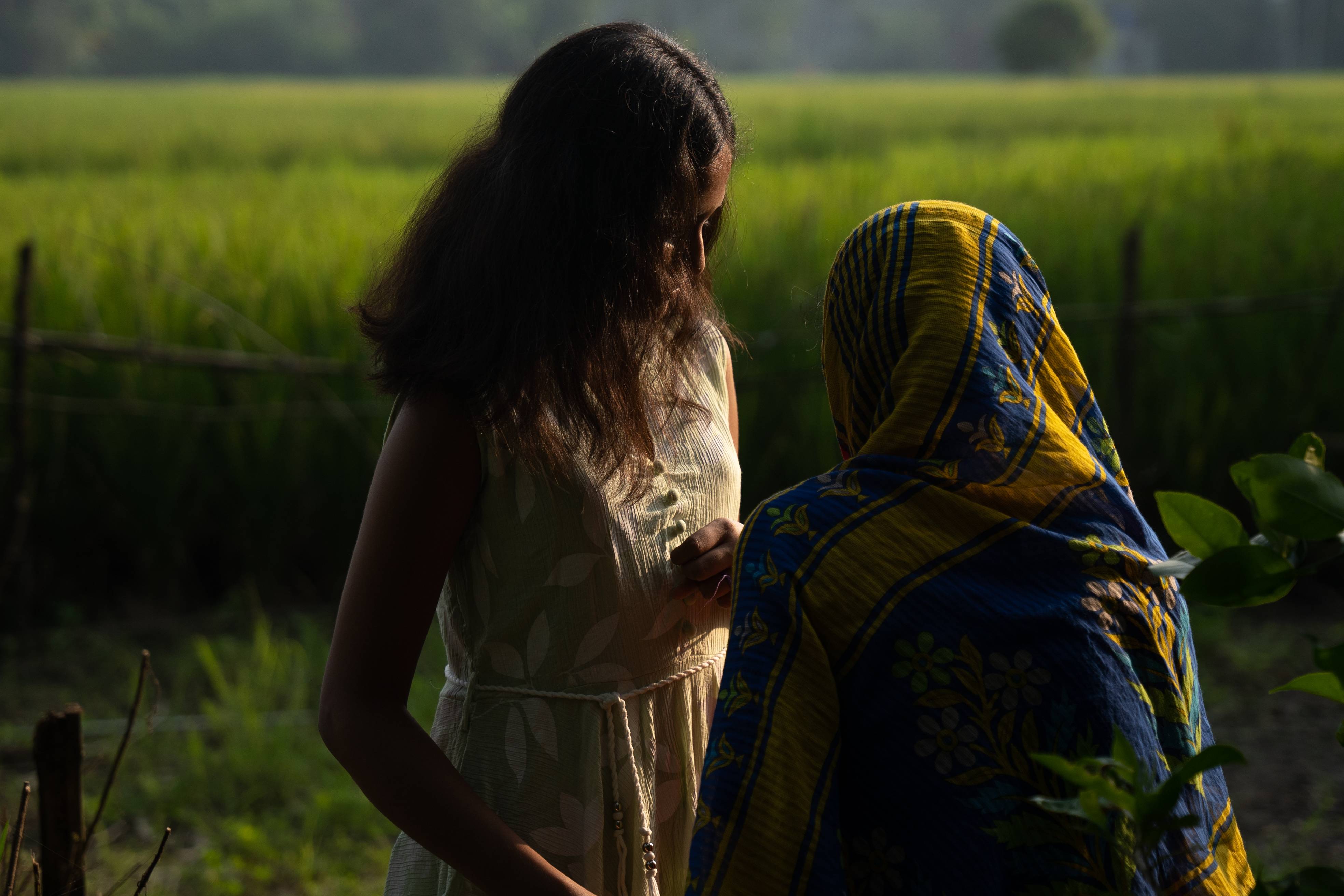
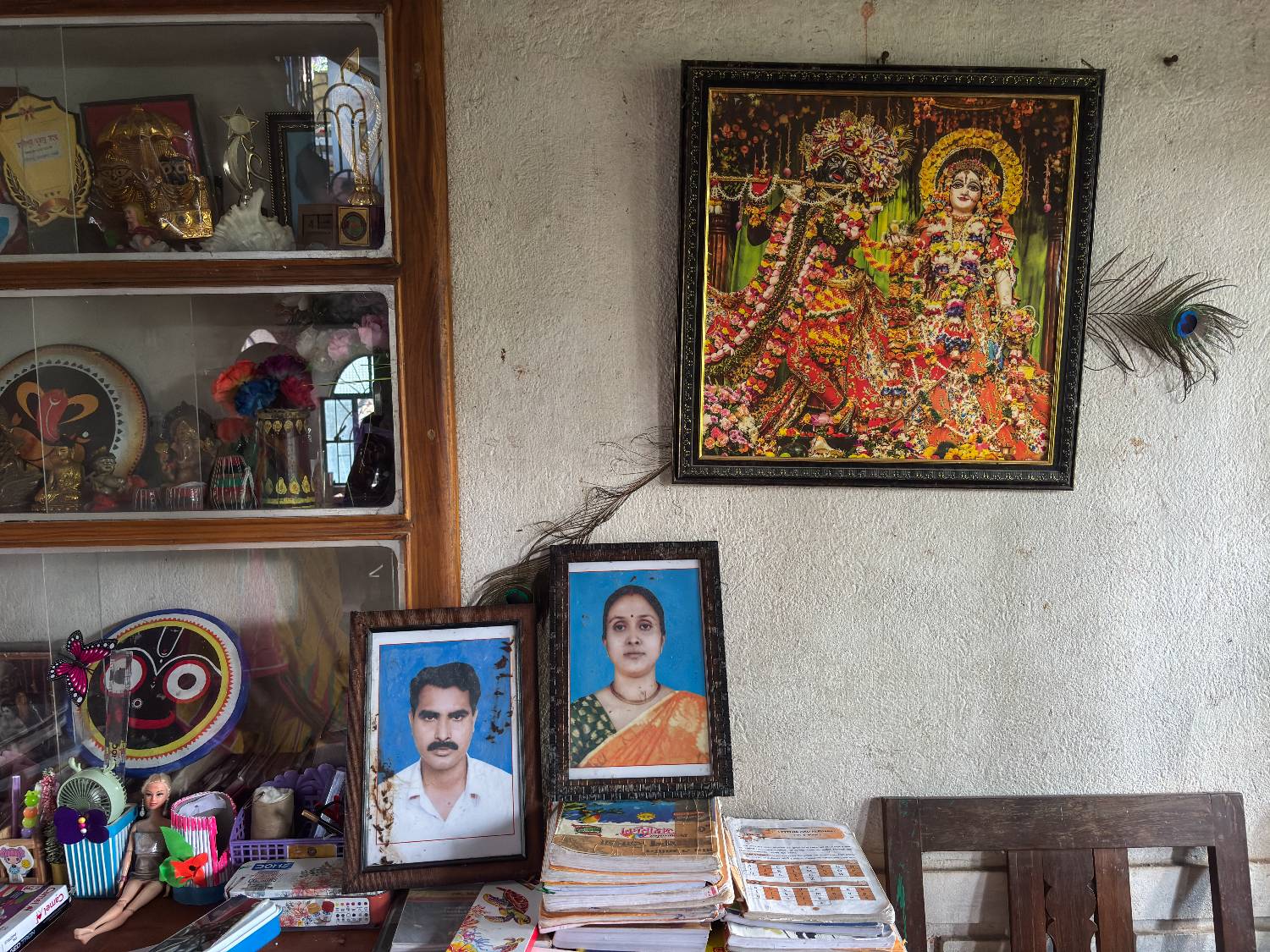
Her story captures what’s happening across Hooghly, one of West Bengal’s richest agricultural regions, now witnessing a quiet but deadly crisis.
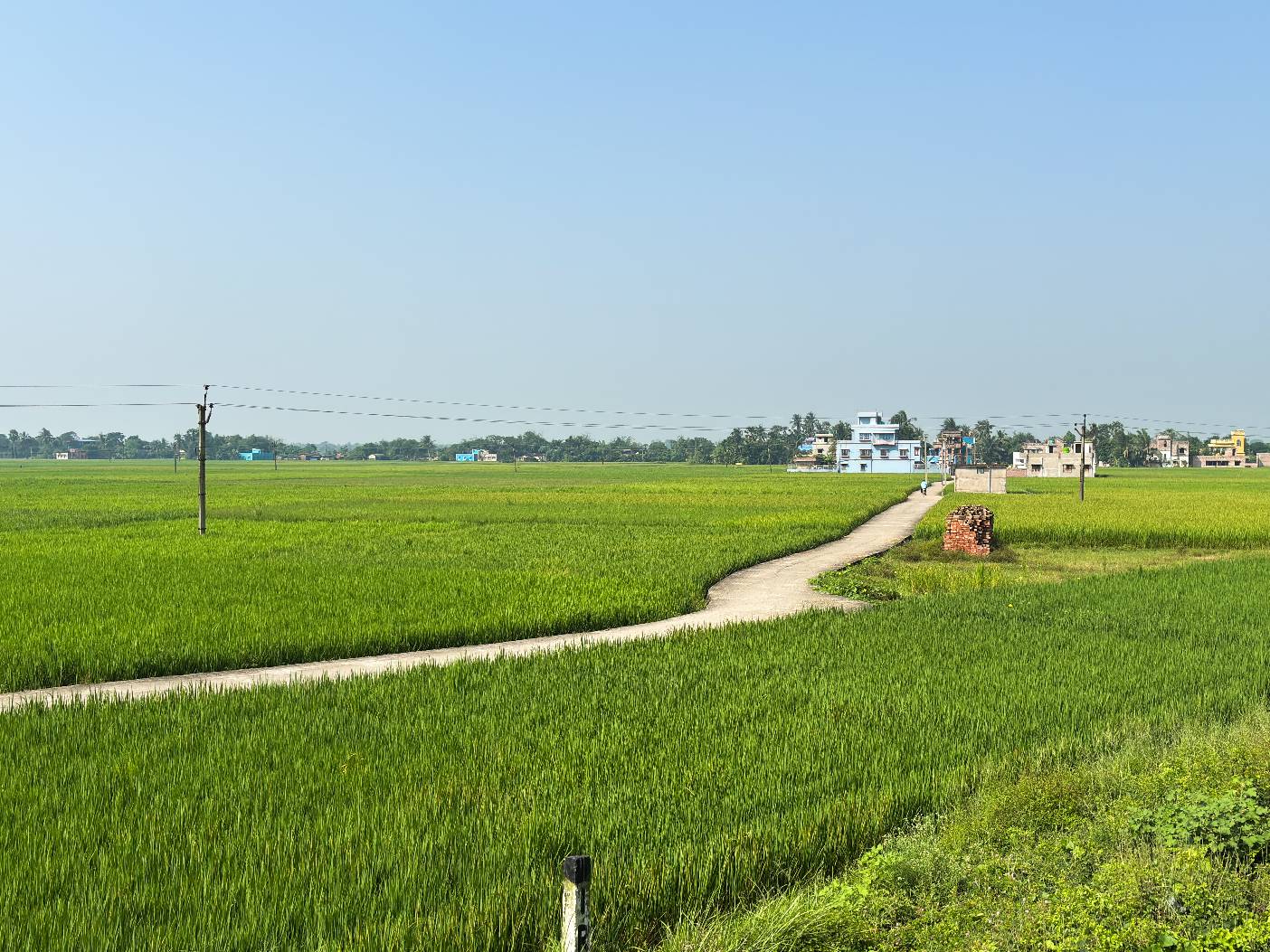
Hooghly district lies along the banks of the river Hooghly, in the lower stretch of the Ganga. Known for its potato, sugarcane and rice production, it is among the state’s top agricultural contributors. But with open farmlands and humidity carried in from the Bay of Bengal, it is also one of West Bengal’s most lightning-prone regions, according to the India Meteorological Department.
Blocks like Pandua and Tarakeshwar sit at the centre of this danger zone. Pandua, a 282-square-kilometre administrative block, is mostly agricultural, with the Behula and Kunti rivers running through it. Tarakeshwar, a major pilgrimage site 58 kilometres from Kolkata, shares the same flat topography and weather patterns, perfect conditions for frequent thunderstorms and lightning.
Between 2018 and 2024, 1,259 people died in West Bengal due to lightning strikes, IMD data shows. In 2025 alone, over 139 deaths have already been reported. Nationally, lightning accounts for more than 35% of all natural hazard deaths.

Climate patterns turning violent
Scientists say these deaths are not random. “Rising global and surface temperatures, along with warming water bodies, are making the atmosphere more unstable,” said Mahesh Palawat, Vice-President (Meteorology and Climate Change) at Skymet Weather. “That instability leads to stronger convection, which produces more thunderstorms and lightning.”
A 2021 study published in Atmospheric Chemistry and Physics by R Chakraborty et al. (IIT Kharagpur) found that the Gangetic plains and eastern coast have become new lightning hotspots. The study links the surge to higher surface heating and moisture inflow from the Bay of Bengal which is a direct consequence of climate change.
Palawat added, “We’re seeing longer thunderstorm durations and multiple strikes in one event. Global warming has supercharged what used to be normal monsoon behaviour.”
Multiple national studies indicate a sharp rise in lightning activity across India, with total strikes increasing nearly 400% between 2019-20 and 2024-25. National Crime Records Bureau data confirms that lightning deaths continue to grow each year — 2,728 fatalities in 2021, 2,885 in 2022 and 2,558 in 2023 — making lightning the single deadliest natural hazard in the country.
The survivor’s body remembers
For Debashree Das of Beremul village in Hooghly, that scientific explanation offers little comfort. Her husband, Gokul Das, died in July 2020 when lightning struck his field beside their home.
She was 32 then, raising two daughters aged three and six. She had no savings, no job, and no support system. “We ran out of money within months,” she said. “I couldn’t feed my children or my old mother-in-law.” With no steady income, the village elders arranged her remarriage to a local farmer. She now has a third child from this marriage.
“How will my daughters live their whole life without their father?” she asked. “They still get scared when thunder starts. Even a small rainfall makes them hide under the bed.”
Lightning deaths ripple through rural families, leaving women socially and economically vulnerable long after the storm ends.
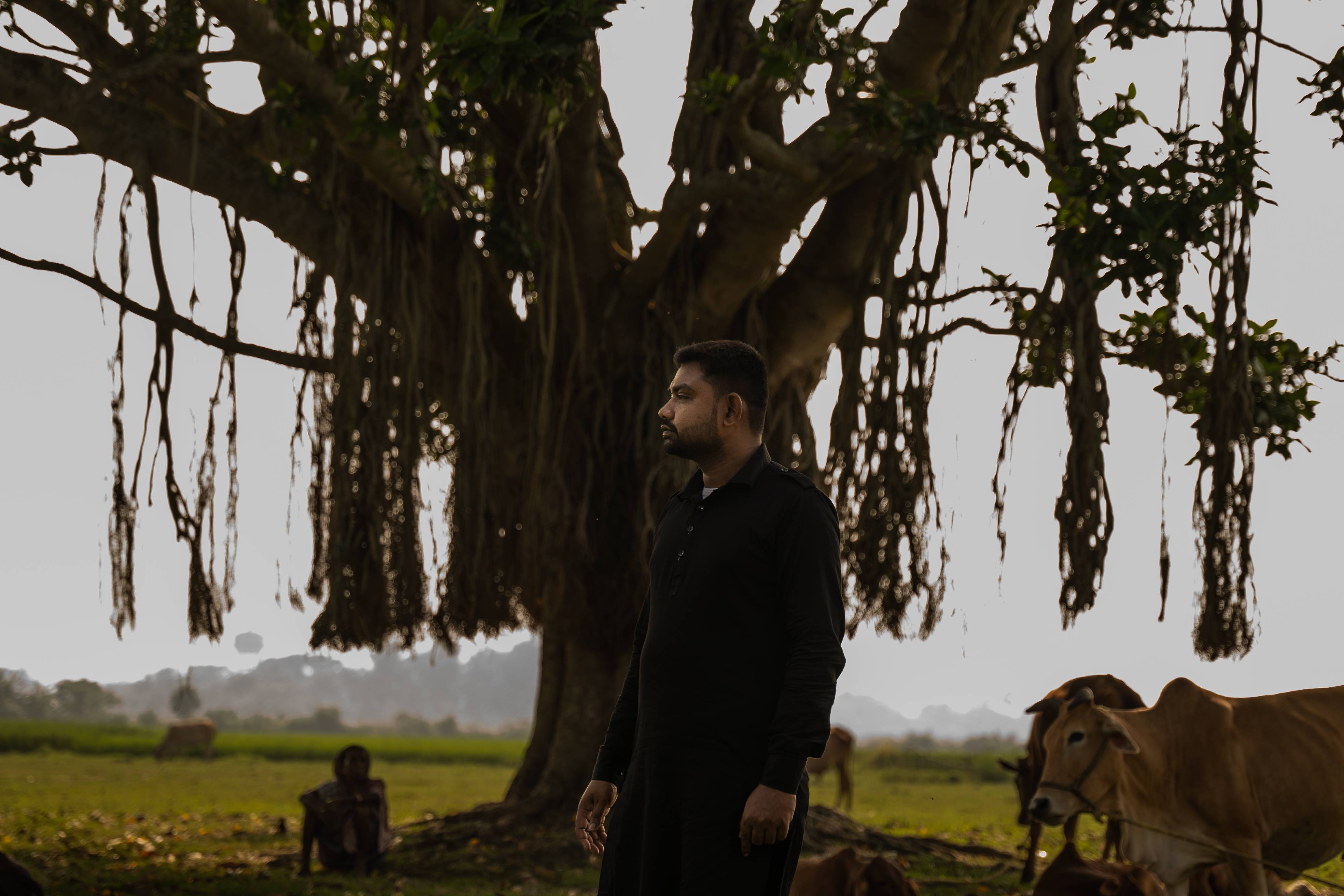
In Khanyan, a small town in Pandua block, Sekh Hasibuddin Khan (35) still feels pain in his right arm three years after being struck. He survived, but barely.
“It felt like a truck hit me from behind,” he recalled. “Then everything went dark.” When he woke up, he was in Pandua Rural Hospital. His mother said he spent two years unable to move. “His right side was paralysed. We borrowed around Rs 50,000 for private treatment because the government hospital couldn’t help,” she said.
Even now, Hasibuddin walks slowly and avoids open fields during the monsoon. “I can sense it before a storm starts,” he said. “The air changes, and I get scared.”
Across West Bengal, a growing number of non-fatal lightning injuries go unrecorded. Survivors face neurological issues, burns and trauma, but rarely receive compensation or medical follow-up.
Under the state’s ex-gratia scheme, families receive Rs 2 lakh for deaths caused by lightning strikes.
Since over the past few years we have observed lightning strikes increasing every year, the state government has included them under the ex-gratia scheme in 2005, West Bengal Disaster Management and Civil Defence Department officer in charge Nirmal Senapati said.
The central government adds another Rs 2 lakh from the Prime Minister’s National Relief Fund (PMNRF).But survivors of lightning injuries receive nothing.
Treatment, meanwhile, is expensive. Many require long-term care for paralysis or burns, and nearby sub-divisional hospitals often lack the necessary facilities, pushing families towards private hospitals they cannot afford. As a result, many survivors fall into heavy debt while trying to recover.
In Itachuna Gram Panchayat, under Pandua block, Dipa Mandal (45) remembers the night lightning hit her roof in August 2025. Sparks shot through her home, burning her eight-month-old granddaughter’s feet. “We thought we were going to die,” she said.
The baby survived after two weeks in hospital, but what followed shook the family in a different way. “People avoided our house. They said lightning strikes where evil spirits live,” Dipa recalled. “Those words hurt more than the lightning.”
For days, the family lived without electricity because no one, not even local electricians, was willing to visit. “Only after we went to the Gram Panchayat office and reported it did they finally send someone to fix it,” she said. The active boycott has ended, but she still senses mistrust among some neighbours.
In many villages of West Bengal, superstition deepens the impact of lightning, leaving survivors to cope not just with injury, but with isolation.
Outdated systems
Lightning detection in India is improving, but still patchy. The Indian Lightning Location Network (ILLN), run by Indian Institute of Tropical Meteorology (IITM) and the IMD, has expanded, yet coverage gaps persist in rural Bengal.
“Cities like Kolkata and Cuttack have only two Doppler radars, both old and covering about 100 nautical miles (185.2 km),” said Palawat. “We need more radars across eastern India for real-time tracking.”
A Doppler radar measures the speed and movement of weather systems by sending out microwave signals and analysing the frequency shift when they return. It helps meteorologists track storm clouds, rainfall intensity, and wind patterns which are crucial for monitoring thunderstorms and lightning-producing clouds. But its range of 100 nautical miles means it cannot capture fast-forming, hyperlocal storms beyond that radius. For districts like Hooghly, this often leaves dangerous blind spots.
Palawat also pointed to communication gaps. “Forecast data exists, but it doesn’t always reach those who need it like farmers working in the fields.”
To address this, the IITM and the Ministry of Earth Sciences (MoES) developed the “Damini” app, which sends GPS-based lightning alerts 30-40 minutes before a strike and provides safety tips in regional languages.
In reality, the app rarely functions in rural Bengal. “We installed it,” said Hasibuddin, “but it never warns us in time.” Every farmer interviewed echoed this, none reported receiving an alert before a lightning strike, and many cannot afford smartphones capable of running weather apps. Even when alerts exist, they simply do not reach the people actually working in the fields.
Srimanti Basak, Block Development Officer (BDO) of Pandua, acknowledged the problem. “We are working with IIT to fix the app,” she said. “Sometimes we don’t get proper data from the Gram Panchayat offices, which delays announcements.” Verified reports from the panchayats consistently show lightning deaths and injuries each year across Pandua, Tarakeshwar, Beremul, Khanyan and Itachuna — data the block office depends on to issue warnings.
Gram Panchayat members confirmed these gaps. They said they often send lightning-related reports to the block office, but poor connectivity, delayed verification and the lack of dedicated staff slow down the process. “By the time information reaches the right place, the storm has already passed,” one member said. Several added that they have been asking for automated weather-linked systems so that early warnings don’t depend on manual reporting.
Residents say the failure of alerts has made them distrustful of technology altogether. “If someone had warned us that day, maybe my husband would have stayed home,” said Debashree.
People across Hooghly have one clear demand: reliable, real-time warnings. “We get cyclone alerts,” said Hasibuddin. These arrive on mobile phones through government text messages, often 24-48 hours in advance, followed by loudspeaker announcements from panchayat offices. Households stock food, bring cattle indoors and avoid going out. “Why not lightning alerts through loudspeakers? It could save lives.”
Palawat agrees. “We need hyperlocal alerts integrated with panchayat systems. Even a 15-minute warning could prevent hundreds of deaths each year.”
The BDO of Pandua said her office is planning awareness campaigns through schools and community centres. “We’re training teachers and local leaders to spread safety information before the monsoon,” she said. This includes telling residents not to go outside when heavy clouds gather or during kalboishakhi storms, and to immediately take shelter if thunder starts suddenly. Many villagers, however, say this advice is difficult to follow when their livelihoods depend on working in open fields.
In Balipur, Raika still walks to school past the same field where her parents died. “When thunder starts,” she said, “I run home.”
Her voice carries the truth of an entire district, where families live with both the memory and the constant threat of lightning. As the climate warms and systems falter, Bengal’s farmers face not just storms, but the uncertainty of survival every time the sky turns grey.
This project is supported by the Internews Earth Journalism Network with funding from the Swedish International Development Cooperation Agency (Sida)
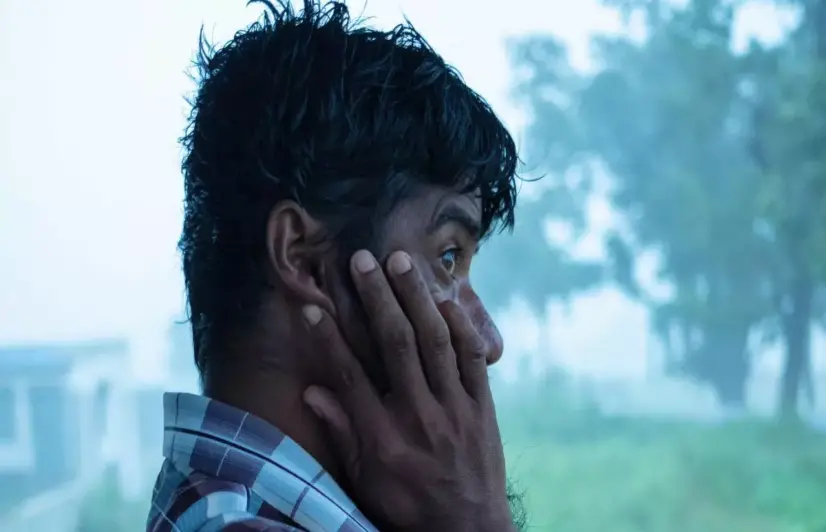
Cover photo - A farmer stands under a makeshift shelter beside his field during heavy rain and lightning (Photo - Subhrajit Sen, 101Reporters)
Would you like to Support us
101 Stories Around The Web
Explore All NewsAbout the Reporter
Write For 101Reporters
Would you like to Support us
Follow Us On