The schools that brought child labourers back to classrooms
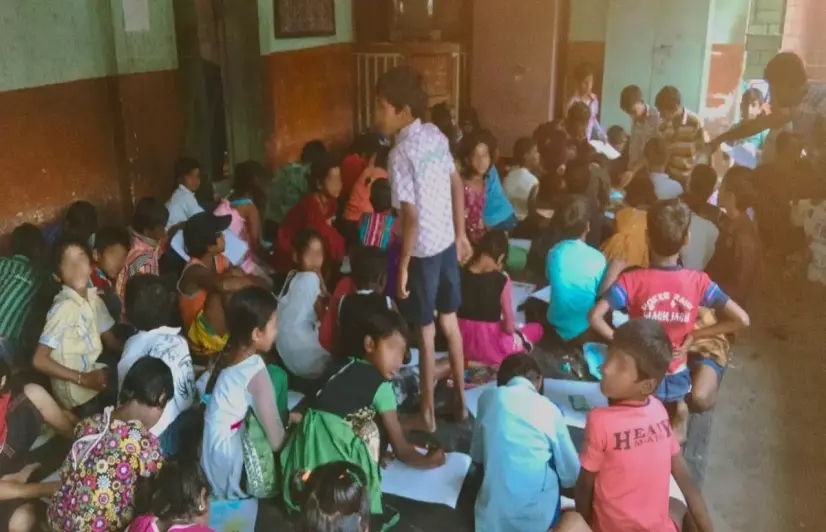
The schools that brought child labourers back to classrooms
Bankura, West Bengal: A neighbourhood club in Bankura Sadar that now serves as a centre for evening gatherings was once a school.
Until 2021, it was one of several centres under the National Child Labour Project (NCLP) in Bankura district, helping identify, rehabilitate and mainstream children who had dropped out of school and entered the workforce because of poverty, said Pramik Adhikari. Today, all the NCLP centres in the district have shut following the Centre's decision to subsume the scheme under Samagra Shiksha, leaving former teachers, education activists and child rights campaigners questioning what has replaced the specialised support these children once received.
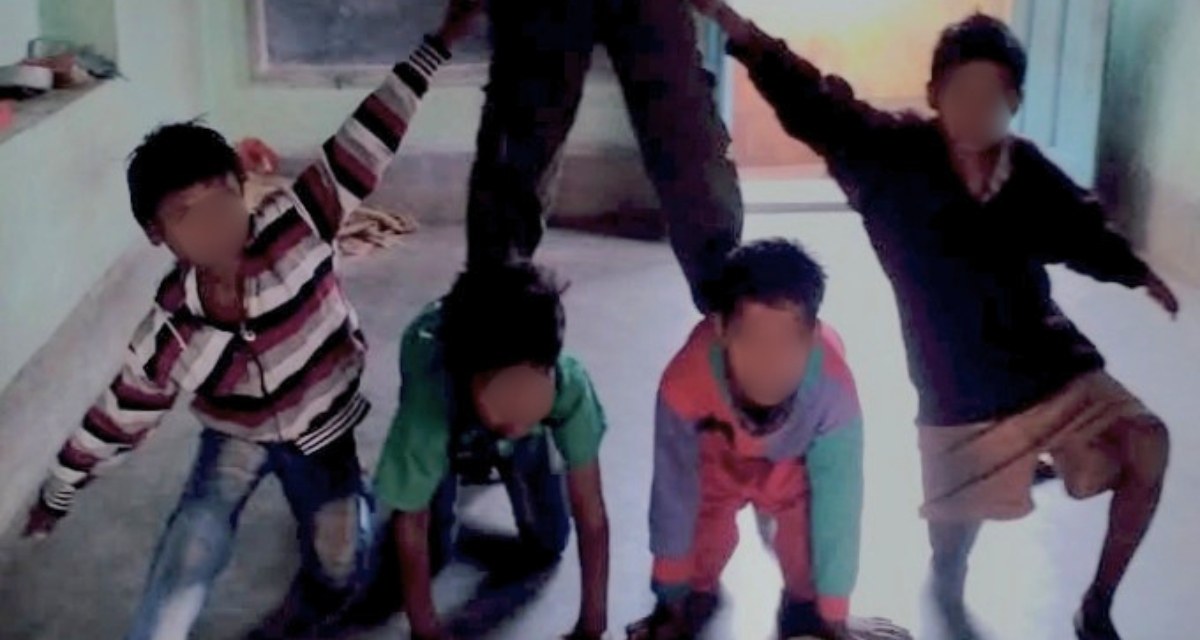 Photograph of children playing at a child labour school in Bankura Sadar (Photo sources by - Siddhanta Goswami, 101Reporters)
For years, teachers working with the NCLP conducted door-to-door surveys to identify children engaged in labour, persuaded families to send them back to school and provided a package of support that included bridge education, stipends, health care, vocational training and mid-day meals before integrating them into the formal education system.
Take the example of Rompa Das -- when she was 10 years old her family had to send her to work as a domestic help in Bankura Sadar, pulling her from Class IV because of financial constraints.
One day, Chiranjit, a teacher at an NCLP centre, came across her while conducting one of the programme's routine door-to-door surveys.
Rompa told him that her family wanted her to continue working because they depended on the income she earned.
Chiranjit visited the family and tried to persuade them to send her back to school. Initially, they refused, saying they could not afford to lose her earnings. According to Chiranjit, it was only after he explained that Rompa would receive a stipend under the NCLP scheme that the family agreed.
Rompa enrolled at an NCLP special training centre before being admitted to a mainstream school, eventually completing her Madhyamik examination.
When the centres closed
The NCLP was launched in 1988 by the Union Ministry of Labour and Employment to rehabilitate children engaged in labour. Under the scheme, children between the ages of nine and 14 who had been withdrawn from work were enrolled in Special Training Centres, where they received bridge education before being mainstreamed into formal schools. The centres also provided vocational training, health care, stipends and mid-day meals.
The programme targeted children working in sectors such as brick kilns, stone quarries, mines, construction sites, hotels and tea stalls.
There were many like Rompa whose lives changed due to the intervention of the programme. Soniya Hazda was rescued from a brick kiln in Saltora block by NCLP teacher Ananda Mahato after she began working at the age of eight because of her family's financial circumstances. She returned to school through the programme, completed higher secondary education and went on to pursue undergraduate and postgraduate studies.
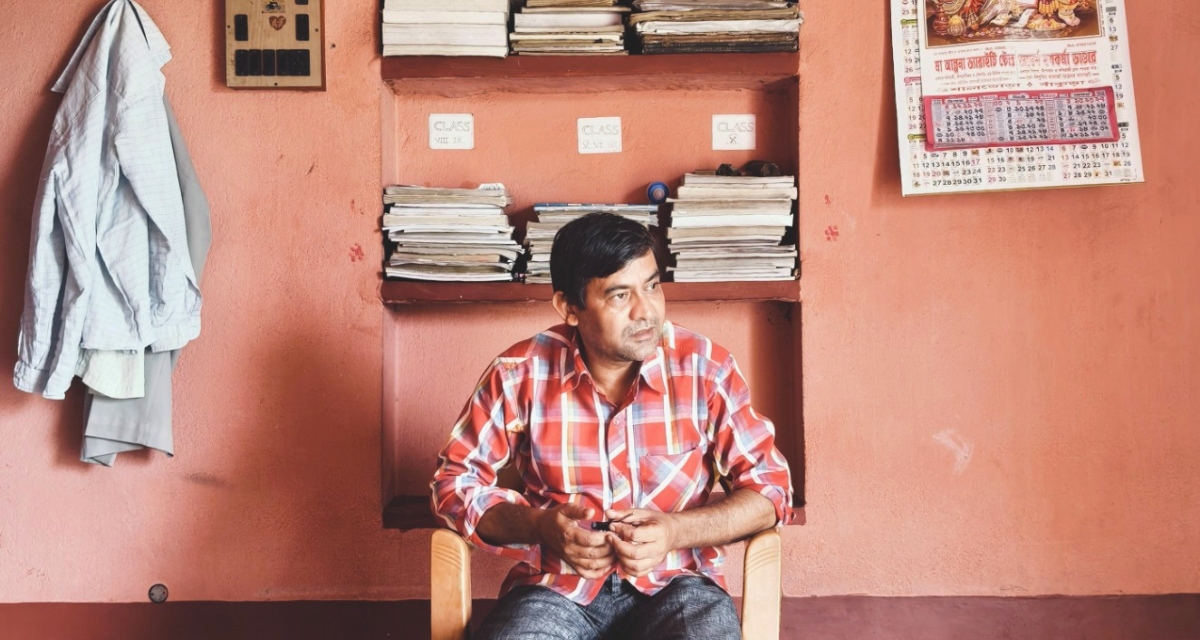 Nikhil Kumbhakar―former teacher of NCLP school in Bankura, sits in his house where he offers tuition to earn a livelihood after losing his job as a teacher at one of the NCLP centers in Bankura (Photo - Siddhanta Goswami, 101Reporters)
Similarly, Rajkumar Gandhabanik, another NCLP teacher, rescued nine-year-old Arjun Mandi from a stone quarry in Porashnath village in Ranibandh block. After attending an NCLP centre, Arjun was admitted to a mainstream school and eventually completed college.
In Bankura, where poor economic conditions and lack of financial safety net often forces families to send their children to work as labourers and contribute to the household income.
Former teachers said that this is where stipends offered under the NCLP were particularly important because they compensated families for the income children would otherwise have earned through labour -- and often acted as the only motivation to send their kid to school.
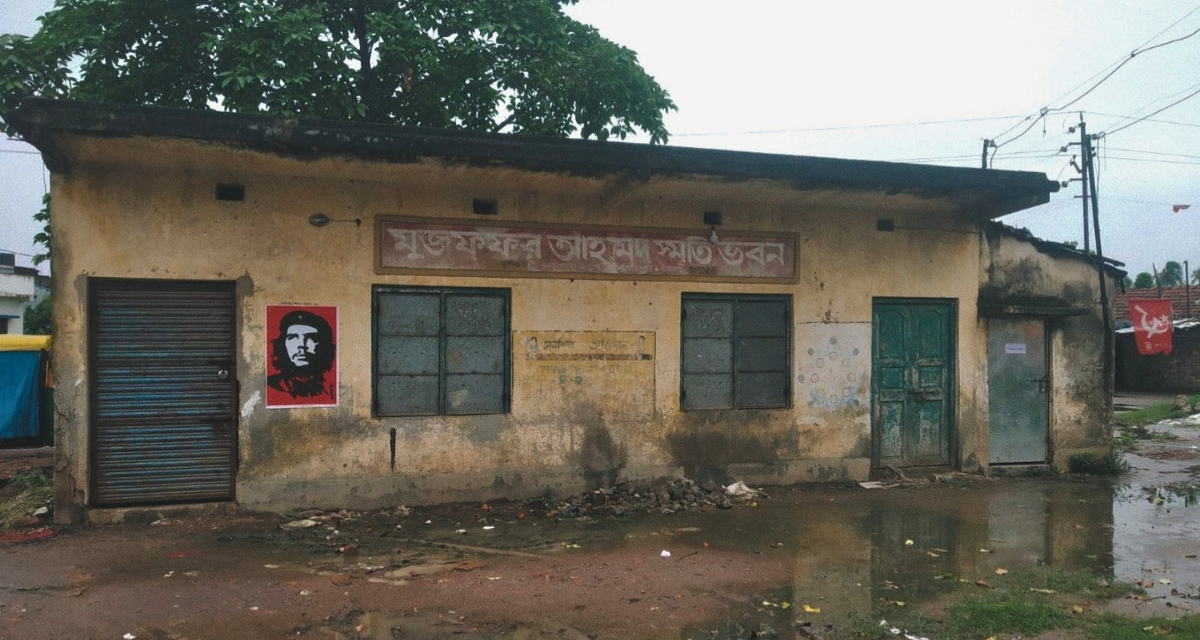 Photo of a building where schools would take place, Bankura (Photo sources by - Siddhanta Goswami, 101Reporters)
Mainstreaming into an overstretched school system
Unlike mainstream schools, the programme also included regular surveys, rescue drives, health support, community outreach and awareness campaigns aimed specifically at identifying and rehabilitating working children.
After the Union government subsumed the NCLP under the Samagra Shiksha from April 1, 2021, these peripheral interventions and their subsequent benefits also came to an end. In Bankura, the buildings that once housed them have either been repurposed or left vacant. One former centre near Bankura Sadar is now a neighbourhood club, while another in Saltora block stands empty.
Sheikh Firoz, secretary of the All India Staff Association of the NCLP, said that the programme was a specialised effort for children who had entered the labour force because of economic hardship. "Formal education is meant for everyone...If the economic stress is not addressed, students cannot continue their education. These centres played an important role in mainstreaming children," he said.
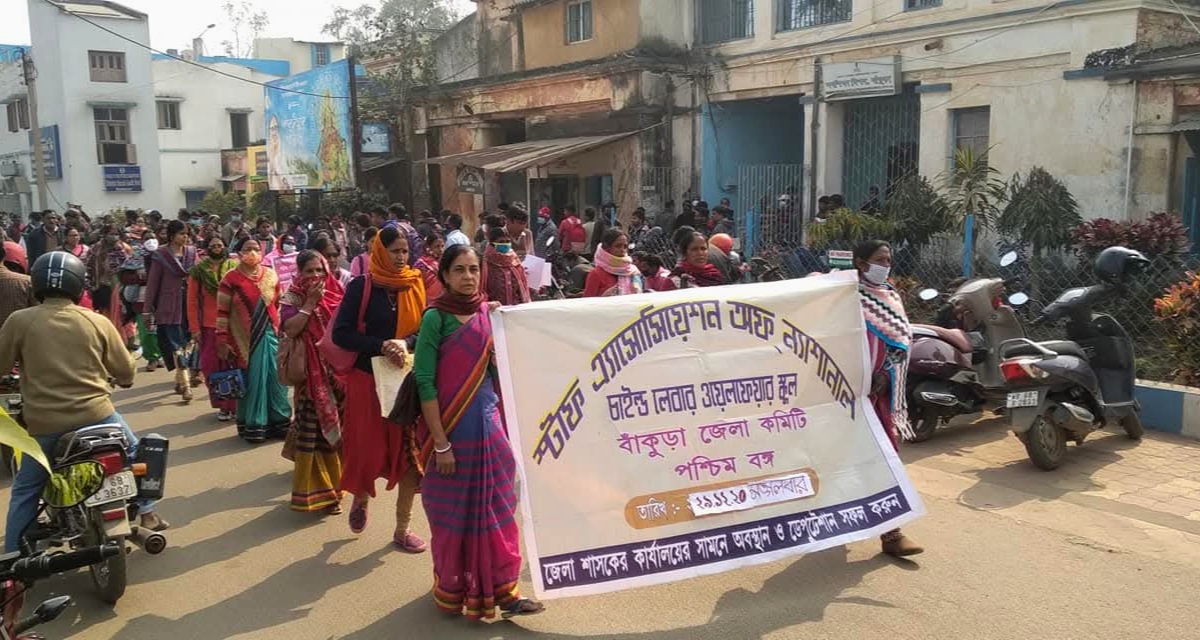
Much of Bankura falls within Jangalmahal, a forested tribal region where villages are often separated by several kilometres and schools are widely dispersed. Former teachers say this made the specialised centres particularly important because they functioned as bridge schools for children who had already dropped out.
Satarupa Majumdar, who runs the NGO Swanapuron Welfare Society and works to bring children engaged in labour back into education, said that such specialised programmes were needed for the children who often do not have the option of choosing education. "It is unfortunate that no alternative has been conceptualised by the government so far," she said.
Cover Image - Photo of a school space that was rented. Now the space is lying empty for the last couple of years, Bankura (Photo sources by - Siddhanta Goswami, 101Reporters)
Would you like to Support us
101 Stories Around The Web
Explore All NewsAbout the Reporter
Write For 101Reporters
Would you like to Support us
Follow Us On