Tribal women in Kerala’s Attapadi are worried about VB-G RAM-G

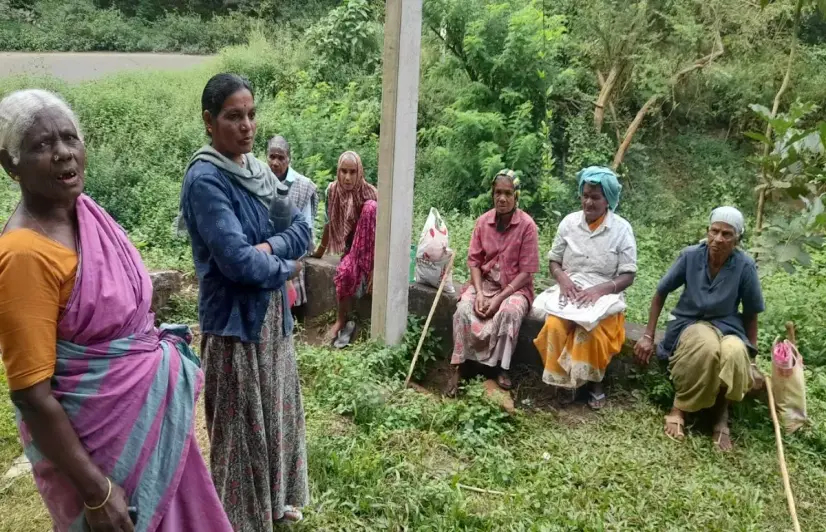
Tribal women in Kerala’s Attapadi are worried about VB-G RAM-G
As the Centre plans to replace MGNREGA, tribal women in Attapadi worry about losing the work, wages and security the scheme brought them.
Palakkad, Kerala: Kali (54) a tribal woman from Agali village in Kerala’s Attapadi region, says she is proud to be a “Thozhilurappukari”—a worker under the Mahatma Gandhi National Rural Employment Guarantee Act. For nearly two decades, the job guarantee scheme has been her primary source of income, offering steady work, predictable and dignified wages, and a rare sense of security in a region marked by poverty and land alienation. That security is now under threat. The Union government is set to replace MGNREGA with a new law—the Viksit Bharat–Guarantee for Rozgar and Ajeevika Mission (Gramin), or VB-G RAM-G Act. While the Centre has described the proposed law as an expansion of rural employment, tribal workers and officials in Attapadi fear it will dismantle the fragile livelihood system that sustains some of Kerala’s most marginalised communities. “I think once the new law is implemented, it leaves me no other option but to rear black goats,” Kali said, referring to a heat-resistant breed traditionally reared by tribal women in this hilly region. But that option no longer exists. Grazing lands have steadily shrunk, large-scale livestock farmers have moved in, and frequent wild elephant incursions have made forest-dependent livelihoods increasingly unsafe. “At least twice a week, wild elephants stray into our hamlets,” said Bhagavathy, also a resident of Agali village. “They have killed people and animals. Grazing areas are fenced off. For more than a decade now, rearing black goats has not been a reliable livelihood.” In 2025 alone, five tribal residents of Attapadi were trampled to death by elephants. At the same time, agricultural mechanisation has eliminated most farm labour, leaving tribal women—once dependent on seasonal agricultural work—with few alternatives outside state-backed employment schemes. For decades, tribal families in Attapadi have survived on a combination of two job guarantee programmes that together ensure up to 200 days of work a year: 100 days under MGNREGA and another 100 days under Kerala’s Tribal Plus scheme, launched in 2018. The proposed replacement of MGNREGA has triggered widespread anxiety that this safety net, credited with raising wages, reducing exploitation and transforming women’s lives, could unravel.
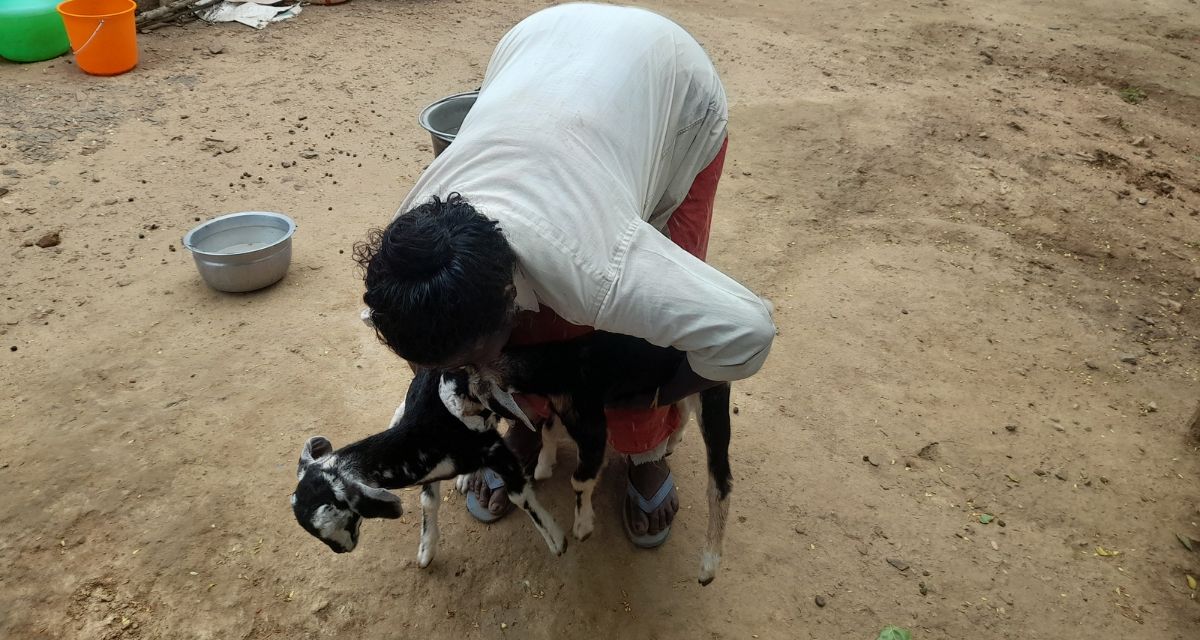 For decades, tribal families in Attapadi have survived on a combination of two job guarantee programmes (Photo - Rajendran K, 101Reporters)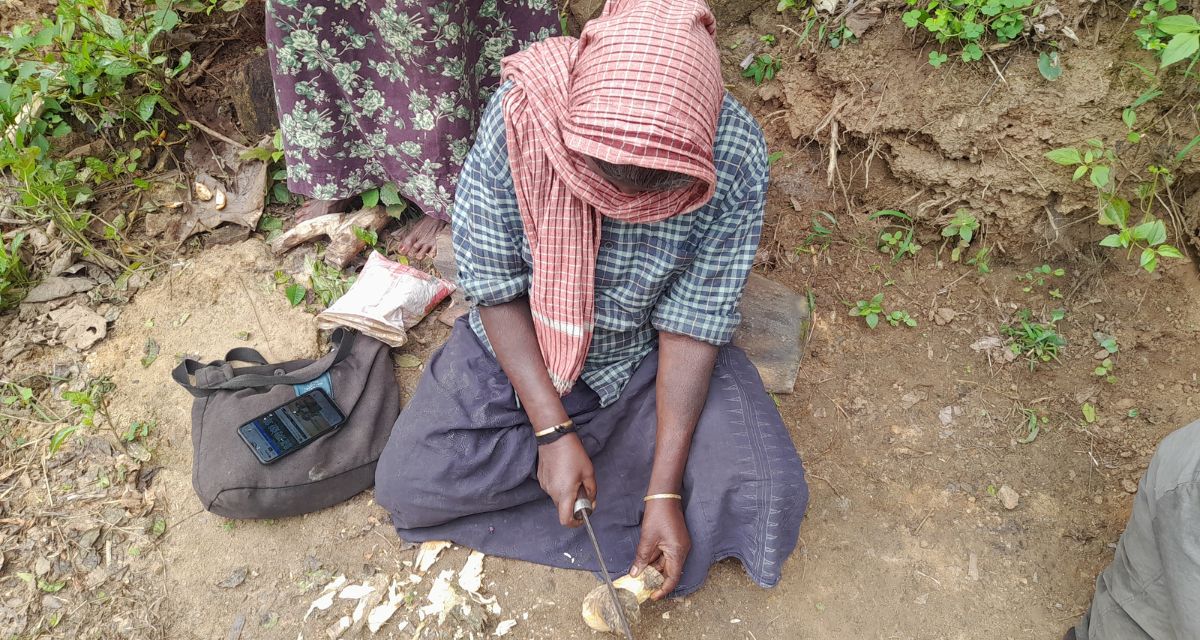
What’s changing The VB-G RAM-G Act introduces several provisions that worry tribal workers and administrators in Attapadi. The most significant is a 60-day agricultural blackout period. Section 6(1) of the new Act mandates that no work will be commenced or executed under this Act during peak agricultural seasons. State governments must designate 60 days, covering sowing and harvesting seasons, during which job guarantee work will be halted. In Attapadi, the peak agricultural season runs from June to August during the southwest monsoon. George Joseph, an economist, pointed to a fundamental flaw in this provision. “In the Kerala context, stalling work during the harvest season will not improve labour availability,” he said. “Most agricultural work is now done by machines instead of humans, leaving MGNREGA workers jobless.” When MGNREGA was streamlined in 2005, its framers recognised that suspending work during the farming season would strip workers of job security and force them into exploitative, low-paid farm labour, he said. The new law reverses this protection. The cost-sharing formula has also changed. MGNREGA’s 90:10 funding ratio between the Centre and states shifts to 60:40 under VB-G RAM-G. At a press conference in Thiruvananthapuram on December 18, Kerala Finance Minister KN Balagopal said the state would need to spend approximately Rs 3,000 crore more annually to implement the new scheme. Jiju P Alex, a member of the Kerala State Planning Board, explained that under VB-G RAM-G, a portion of the Centre’s financial responsibility is being transferred to states already under severe fiscal stress. “Kerala will incur an additional, unaffordable burden due to the 40% state share,” he said. Kerala’s share of central tax devolution has declined from 3.8% under the 10th Finance Commission to 2.38% under the 16th. A state that relies heavily on the service sector and tourism for revenue is grappling with a financial crunch, even as this year’s budget allocates Rs 77,335.69 crore, 32.24% of total expenditure, for social services. The new law also centralises decision-making. Under MGNREGA, village panchayats are responsible for identifying projects suited to local socio-economic and environmental conditions. Under VB-G RAM-G, this authority is withdrawn. Panchayats are reduced to facilitators, while project selection is routed through the Central government’s PM Gati Shakti National Master Plan. Economist K Mohankumar, Director of the Public Policy Research Institute, questioned the promise of providing 125 days of employment under VB-G RAM-G, compared to 100 days under MGNREGA. “Today, nowhere in India are even 100 days of work being provided under MGNREGA,” he said. “Then how will states provide 125 days under the new law? With increased financial burden, the scheme becomes unaffordable and impracticable.”
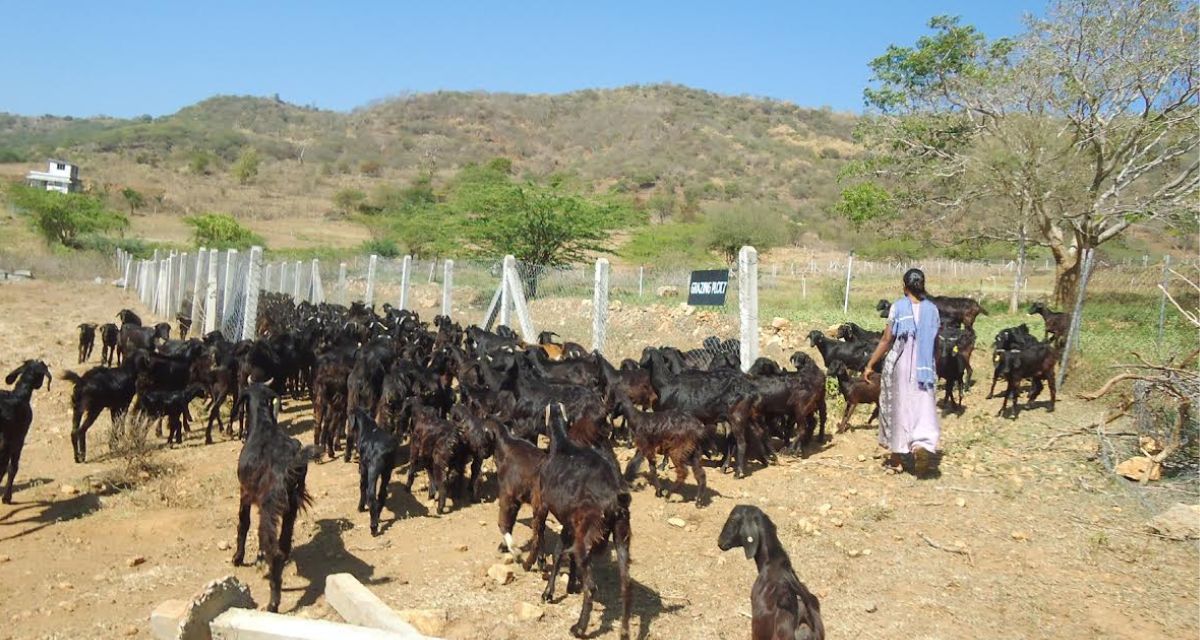 State governments must designate 60 days, covering sowing and harvesting seasons, during which job guarantee work will be halted (Photo - Rajendran K, 101Reporters)
What’s at stake Attapadi spans 745 sq km across three panchayats: Agali, Pudur and Sholayur. Over the past 50 years, its tribal population has declined from 91% to 41%. In the 2024-25 financial year, 4,006 tribal families in Attapadi received a total of 5,78,500 employment days, averaging 144.4 days per family. Of these, 158 families received the full 200 days, 100 each under MGNREGA and Kerala Tribal Plus, according to Joseph K Andrews, assistant engineer in charge of Tribal Plus and NREGA in Agali. Women make up an overwhelming majority of beneficiaries: 11,105 of the 11,833 workers, 93.85%, are women. The Kerala government has allocated Rs 41 crore for Tribal Plus in 2025-26. The state budget has earmarked Rs 1,000 crore for MGNREGA, though officials say this amount is inadequate. Chindi, 61, from Pudur village, describes the shift. Before MGNREGA, tribal women relied on black goat rearing and agricultural labour for meagre wages. They were unorganised and vulnerable to exploitation. “Tribal Plus was a turning point,” she said. “Today I earn better wages. I can provide better food and education for my grandchildren.” Chaghi, 63, from Agali, recalls that before February 5, 2006, when MGNREGA began in Attapadi, tribal workers earned Rs 50 or Rs 60 a day on the farms of wealthy landowners. “Once MGNREGA came, wages increased to over Rs 125,” she said. “Now we earn Rs 366 a day under NREGA and Tribal Plus for around 200 days a year. We no longer have to beg before anyone.” The economic impact is stark. Before MGNREGA, Chindi’s monthly income was around Rs 1,000 to Rs 1,500. Today, it ranges between Rs 10,000 and Rs 12,000. Agricultural wages in Attapadi are currently higher, Rs 400-Rs 500 for women and Rs 800-Rs 900 for men, but such work is available for far fewer days. Danya Raman, a social activist working with Scheduled Caste and Scheduled Tribe communities, said MGNREGA significantly increased wages, working days and women’s autonomy. Attapadi, she noted, is a hilly region dominated by the Irula, Muduga and Kurumba tribes and remains among the most underdeveloped areas of Kerala. The literacy rate among tribal communities stands at 74.6%, with most people under 40 educated. “But what will uneducated women do?” Danya asked. “If Tribal Plus collapses, they won’t even have money to buy a packet of milk.” She warned that the 60-day agricultural blackout will lead to widespread unemployment, pushing women back into exploitative labour. Uncertain future The fate of Kerala’s additional 100-day employment scheme remains unclear under the new law. “We are requesting the central government to repeal VB-G RAM-G and reinstate MGNREGA,” Balagopal said after presenting the budget. “The state cannot afford the additional financial burden.” Mohankumar is unequivocal. “At any cost, Tribal Plus must continue,” he said. “Otherwise, the livelihoods of tribal women will be severely affected. But that is not possible without central support.” M Rajan, Palakkad district secretary of Adivasi Kshema Samithi, said mechanisation has already replaced workers across sectors. “When MGNREGA and Tribal Plus are stopped, tribal people will once again have to queue up before landlords for the lowest wages,” he said. “We will continue to agitate until this law is withdrawn.” R Raviraj, state programme officer for MGNREGA in Kerala, said the government is awaiting clarity. “VB-G RAM-G has not yet been implemented, and no date has been announced. Even after notification, Kerala will have a six-month window before implementation,” he said. O Kelu, Kerala’s minister for tribal development, warned that the collapse of Tribal Plus would be disastrous. “We will explore all possible options to ensure its continuation,” he said. For now, Attapadi’s tribal workers continue their daily routines. Malli, 50, said: “Only because of job guarantee schemes did I open a bank account and get a mobile phone. If the work stops, my entire life will once again revolve around black goats.” Cover photo - Tribal workers and officials in Attapadi fear that VB-G RAM-G will dismantle the fragile livelihood system that sustains some of Kerala’s most marginalised communities (Photo- Rajendran K, 101Reporters)
Would you like to Support us
101 Stories Around The Web
Explore All News