Konkan’s Alphonso crop collapses, farmers left without markets

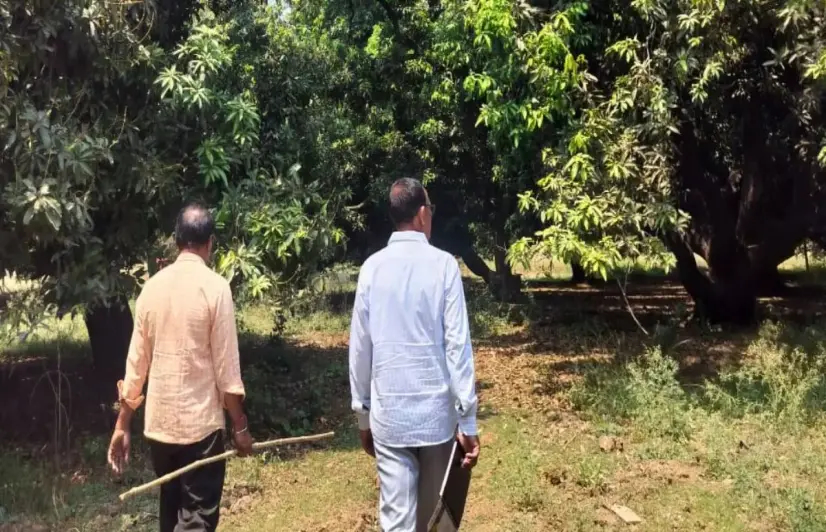
Konkan’s Alphonso crop collapses, farmers left without markets
Erratic weather slashes yields by up to 80%, making even transport to Pune and Mumbai unviable.
Pune, Maharashtra: March is about to end, but not a single mango from the orchards of Mandar Khedkar (35) has reached Pune.
Khedkar, who maintains orchards in Sangameshwar and Ratnagiri talukas of Ratnagiri district in the Konkan region of Maharashtra, said his orchards have failed to yield enough mangoes to cover transport costs.
“Even if I send mangoes to the markets of Pune, I would end up paying for transport…there simply would not be enough quality to cover costs. In my 20 years of active farming, this would be the first time I am faced with such a situation,” he said.
By March, Khedkar normally harvests 30 boxes (each with four dozen mangoes) per day, but this year only a few trees have yielded fruit.
“In a week, I am able to harvest about 10-15 boxes only. I would end up paying from my pocket for labour,” he said.
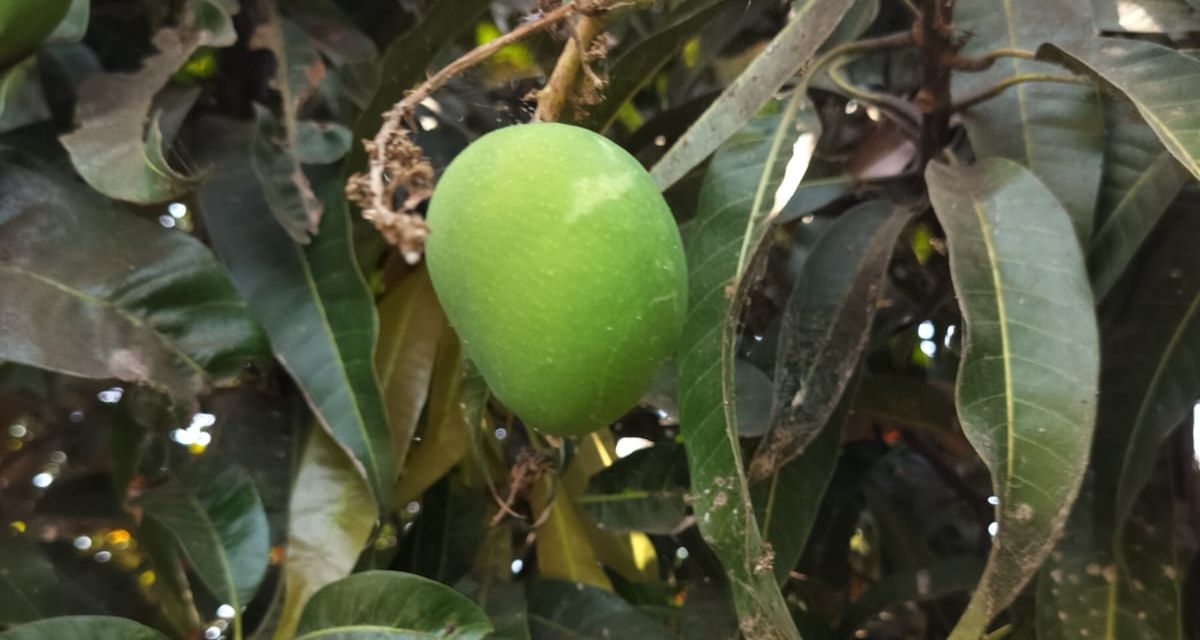 Mango farmers have complained of unusually high losses which has completely thrown their plan for marketing away (Photo - Partha Sarathi Biswas, 101Reporters)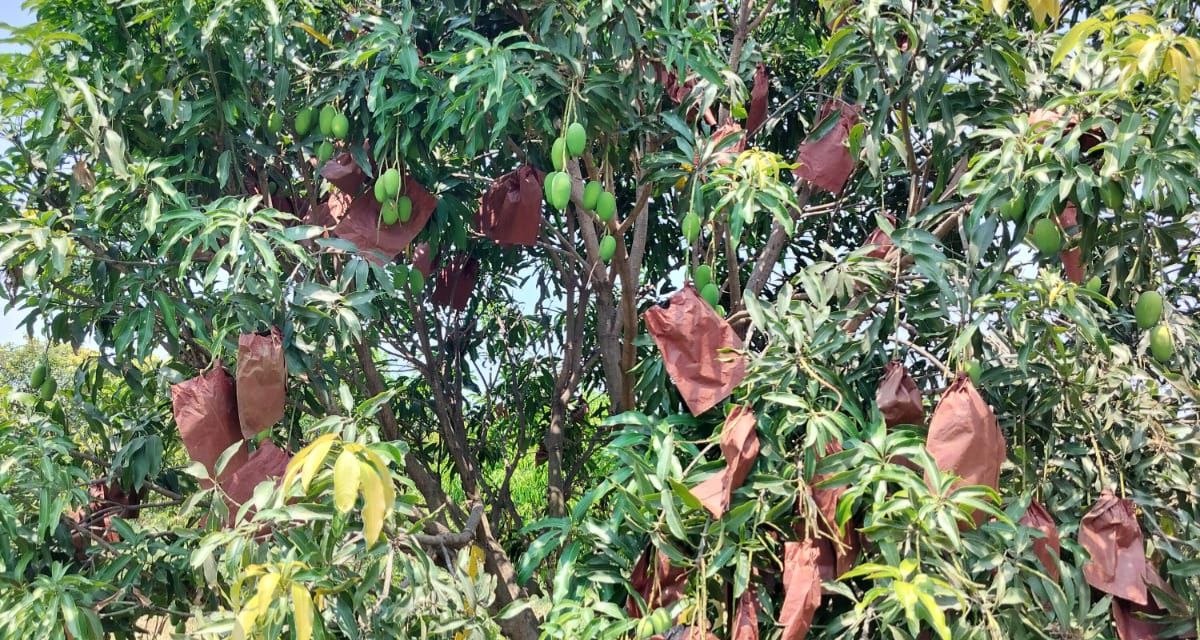
Disrupted season
Konkan, the coastal region of Maharashtra, is home to the Hapus, or Alphonso, mango. In 2018, the mango earned a Geographical Indication (GI) tag due to its origin and specialty. While Karnataka also grows a similar variety, growers in Konkan have waged a legal and publicity battle against the use of the trademark ‘Hapus’ by others.
By mid-March, Konkan farmers are usually ready to sell their produce in the markets of Pune and Mumbai, with exporters shipping mangoes to the United States, Europe and the Middle East. India exports, on average, 25,000-27,000 tonnes of mangoes annually, with the Maharashtra State Agricultural Marketing Board running treatment facilities in Vashi in Navi Mumbai and in Ratnagiri to support exporters.
But this year, farmers like Khedkar say they have neither enough for the local market nor for exports.
Anand Desai (54), who has been in the business for 30 years, said this was the worst season he has seen. Desai, who owns orchards in Pavas village in Ratnagiri taluka, said there is hardly anything to sell.
“Almost 80% of the mango crop is gone. What we have left is not enough even for the local market, we have no strategy ready,” he said.
Unlike other horticulture crops like pomegranate, mango orchards yield only once a year, and farmers depend on both quality and quantity. Hapus mangoes from Konkan fetch higher prices because of their “unique taste and flavour”.
Organisations like the Konkan Hapus Amba Utpakad Vitkreda Sangh, a cooperative of growers, have helped farmers register their orchards and obtain GI tags. Maharashtra alone has over 300 farmers and cooperatives with GI-registered produce.
Khedkar said he spends around Rs 4 lakh per year maintaining his orchards. To break even, production should be around 1,000 boxes.
“I am not sure if I will get even half that number,” he said. To hire a large truck to Pune’s wholesale market, a minimum of 4-5 tonnes of mangoes is required.
“At present, the rate in Pune’s market is around Rs 6,000-Rs 8,000 per box. But I do not have the quantity to fill a truck,” he said. Agriculture officers in Ratnagiri said this would be a highly unusual season, with little produce available for bulk marketing.
Former MP and farm leader Raju Shetti highlighted the issue during a rasta roko in Sindhudurg on March 23 and demanded compensation for farmers who stand to lose a year’s income due to climatic causes.
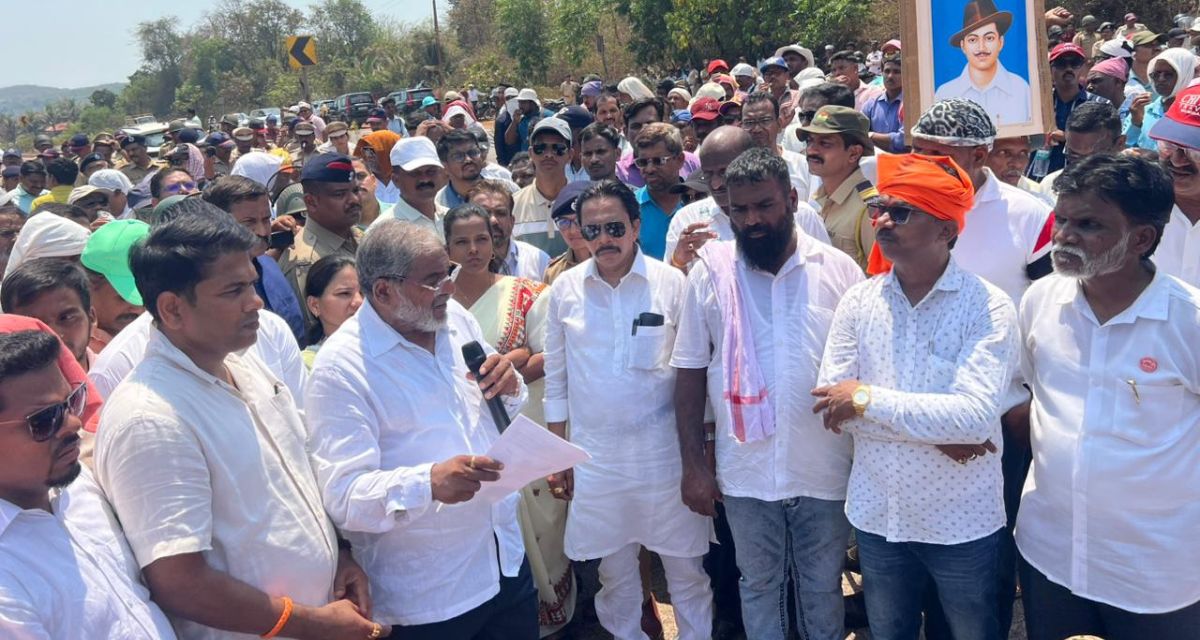 Raju Shetti, the former MP and Farm leader has highlighted the situation during his rasta roko on March 23 (Photo - Partha Sarathi Biswas, 101Reporters)
Dr Vivek Bhide, chairman of the Sangh, blamed climate change. “It has become a pattern, the only constant is uncertainty. This year has been exceptionally bad. It was going all right till December, but the sudden dip in temperature in January-February changed the picture,” he said.
The first flowering, called mohar, requires temperatures of 19-24°C for fruit to set. This year, temperatures dipped below 10°C, causing flowers to drop. Early morning dew also led to fungal attacks.
“Before anything could be done, the damage was already done. By now, our members would be ready with their marketing plans, this year they do not even have fruit to market. Some have even sent back migrant labourers from North India and Nepal,” he said.
Nilesh Pujari (40), a farmer from Devgad taluka who maintains an orchard of 1,000 plants, said unusual flowering affected yields.
“The flowering was good, but I later realised they were mostly male flowers. While this is not visible to the naked eye, failure of fruit formation indicates a higher proportion of male flowers—they simply wilt away,” he said.
“In my 20 years of experience, I have never seen such a season, as if everything has come together to wreck the orchards.”
He estimates only 20% of the usual produce will be available.
“I will be supplying to Pune, but that would be later in April. We have farmer groups pooling produce to share costs,” he said. Pujari usually starts selling by mid-February but has not begun sales this year. “Most likely, I will start after April 1,” he said.
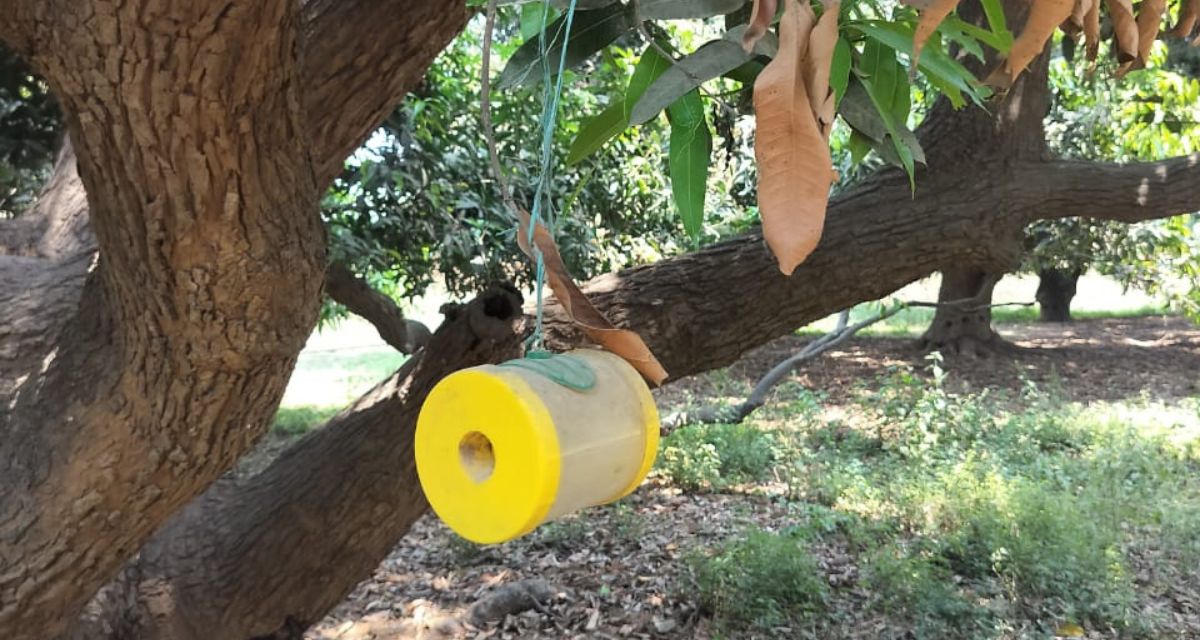 Unlike other horticulture crops like pomegranate, mango orchards yield only once a year, and farmers depend on both quality and quantity (Photo - Partha Sarathi Biswas, 101Reporters)
Dry markets
By this time every year, Avinash Desai’s (50) orchards near Ganpatipule would have started supplying premium mangoes to Mumbai and Pune. This year, he has not begun the season.
“It’s the same story. I will consider myself lucky if I get even 10% of the usual produce. Traders and exporters are calling, but I have no fruit to send,” he said.
At the Vashi wholesale market in Navi Mumbai, the season has been extremely slow. Market officials said only around 500 boxes were available during Gudi Padva, compared to the usual 50,000 boxes from Konkan alone.
“By now, supply should have reached one lakh boxes, the numbers are still in the hundreds,” an official said.
Exports, too, are expected to be hit. Kaushal Khakar, CEO of Kay Bee Exports, said exports would be about half of usual levels.
“The Konkan crop is really bad, though our orchards in Ahilyanagar district are doing well. The ongoing geopolitical situation has added another layer of difficulty. Air freight has doubled, with per-dozen costs quoted at Rs 4,000 compared to Rs 200 last year,” he said.
Exports have begun, but slowly. “Sea freight connectivity to the Middle East is completely stopped,” he said.
Cover photo - Konkan and its growers say they might not have even 20 percent of their normal produce (Photo - Partha Sarathi Biswas, 101Reporters)
Would you like to Support us
101 Stories Around The Web
Explore All NewsAbout the Reporter
Write For 101Reporters
Would you like to Support us
Follow Us On