How Chadar trek’s cancellation has hit Ladakh’s winter economy
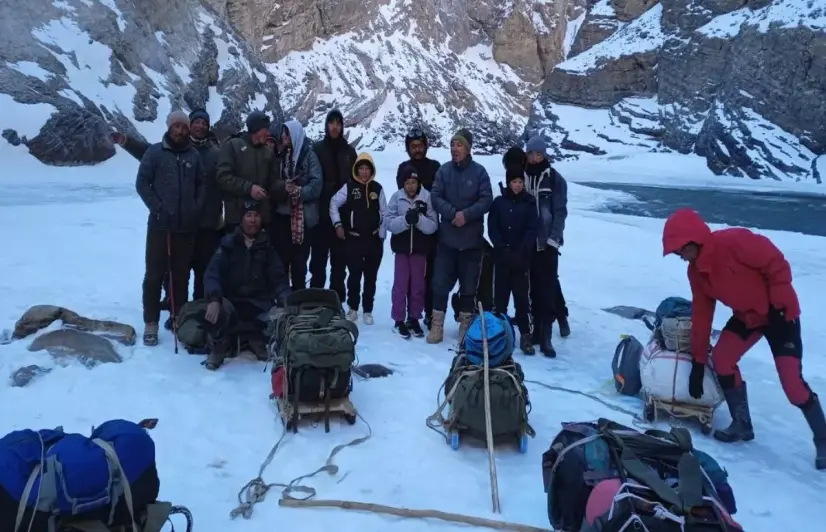
How Chadar trek’s cancellation has hit Ladakh’s winter economy
For the first time in living memory, the Zanskar River failed to form stable ice, villagers say, forcing the suspension of the iconic trek and exposing the impact of warming winters on local livelihoods.
Leh, Ladakh: But this winter, something unprecedented has happened. For the first time in living memory, the river has not frozen. Where a thick sheet of ice once stretched for kilometres, turquoise flowing water now cuts through the gorge. And with it, a centuries-old winter tradition has been forced to pause.
The Chadar Trek is usually scheduled to begin in early January and continues through February when winter temperatures stabilise the ice.
For centuries, the frozen Zanskar River served as the only lifeline connecting remote valleys of Zanskar with Leh during harsh Himalayan winters, when mountain passes were buried under snow and roads remained cut off for months. Villagers from Zanskar, Lingshed, Nyeraks and Yulchung walked across this frozen corridor carrying food, medicine and essential supplies. Known locally as the “Chadar”, this sheet of ice was not just a seasonal route but a vital link to the outside world. Over time, what began as a necessity evolved into one of the most iconic winter treks in the Himalayas, with travellers beginning to explore the frozen river by the mid-1990s.
At the peak of winter, when temperatures plunge to nearly -30°C, the river traditionally freezes into a thick sheet of ice stretching across the gorge. In places, ice can reach six to ten feet in thickness, forming a continuous frozen path along sections of the river’s nearly 150-kilometre course.
"From mid-January to the middle of February, ice is usually strong enough to support human movement. We made journeys in biting cold with the sound of cracking ice beneath our feet. We have walked this frozen route to reach the confluence of the Zanskar and the Indus at Nimmu, connecting our isolated valley with the outside world. For generations, the Chadar is not just a route but a memory etched in time," Stanzin Stobdan recalls his experience of walking on the Chadar, which now has become memories.
But this year, authorities were forced to suspend the trek, determining that the ice formation was too weak and unstable for movement.
Tsewang Namgail, General Secretary of All Ladakh Tour Operator Association (ALOTA) told 101Reporters that “after conducting three and four rounds of recce along the Zanksar river with a team consisting of Tourism Department, Wildlife Department, District Disaster Management Authority, ALTOA of UT Ladakh found that a continuous stretch of at least 30km-35km of solid ice is required to safely conduct Chadar Trek…Unfortunately, this year the ice formation did not extend to that distance.”
The ice that had begun forming in some sections of the Zanskar river was repeatedly breaking due to debris falling into the water during road construction along the banks, Namgail told 101Reporters.
He explained that as work progresses on the Zanskar road via Chilling, loose soil and rocks are often dumped towards the river, which disrupts the fragile ice layer and prevents it from stabilising.
The road, which now connects Zanskar with Leh and opens twice a week during peak winter, is a crucial connectivity project. However, Namgail added that the debris entering the river has also contributed to breaking the thin ice sheets that had started to form this winter.
Changing winters in Ladakh
Officials say fluctuating winter temperatures prevented the river from forming a stable sheet of ice, making it unsafe for trekkers, porters and support teams.
Tsering Angchuk, Inspector with the State Disaster Response Force, UT Ladakh, said,
“It was surprising to witness for the first time in my experience of recce for five years on the Zanskar river.”
“I have never seen the ice fail to form properly even after repeated visits every ten days throughout December and January. The river never developed a solid layer strong enough to walk on.”
Scientists and climate researchers believe the cancellation of Chadar is part of a broader pattern of warming and changing precipitation across the western Himalayas.
According to the data from the Meteorological center, Leh Ladakh, winter of 2026 has been the warmest in the last eight years. The average temperature between December and February was -8.6 degree celsius which is significantly warmer than previous winters.
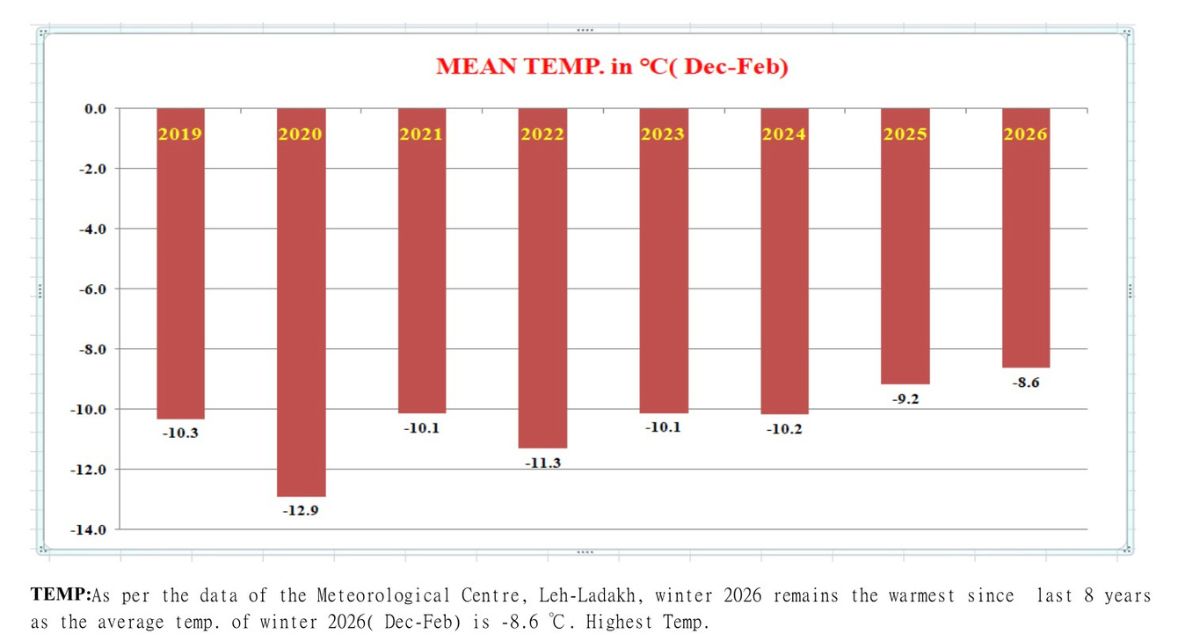 According to the data of the Meteorological Centre, Leh Ladakh, winter 2026 remains the warmest since eight years as the average temperature of winter 2026 (Dec-Feb) is -8.6 degree celsius (Photo - Dawa Dolma, 101Reporters)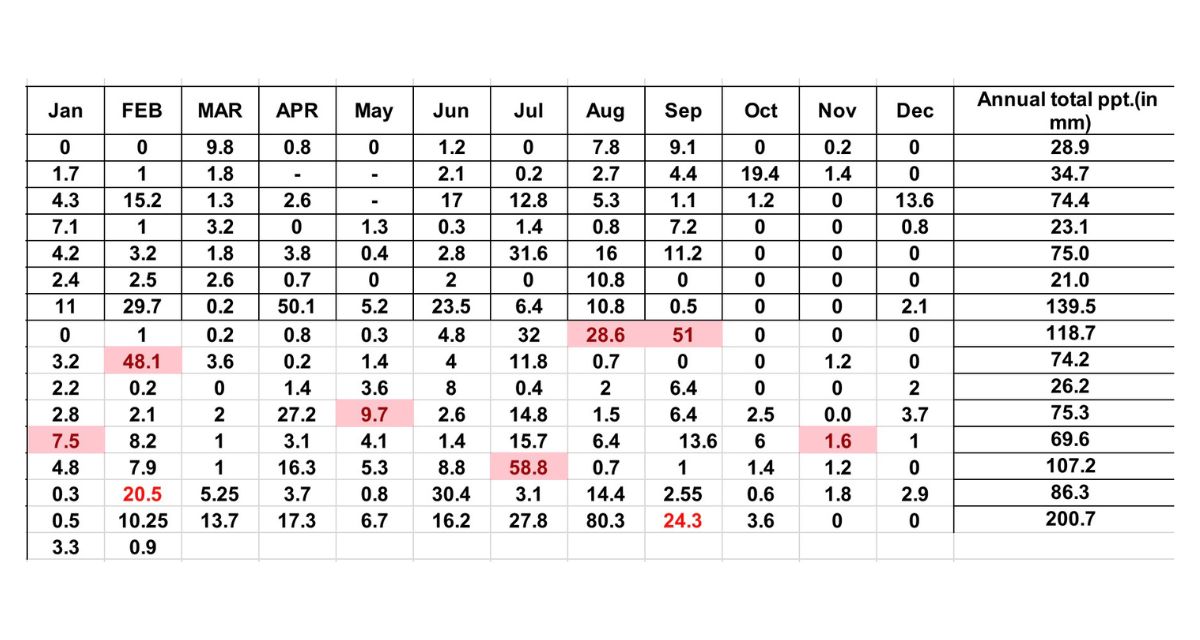
At the same time, winter snowfall in Leh has become highly irregular over the past decade. Several years recorded extremely low snowfall during peak winter months including almost no snowfall in December and January in some years. While other years saw sudden spikes such as 48.1cm snowfall in February 2019.
In the cold desert, where rainfall has historically been scarce, unusually heavy summer rainfall has been recorded, including 58.8 mm in July 2023 and 80.3 mm in August 2025, the highest in the past 15 years.
“When snowfall is scarce and temperatures fluctuate, the river fails to freeze evenly leaving only thin and fragmented ice instead of the thick continuous sheet required for the trek,” explained Sonam Lotus, Director of the Meteorological Centre, Leh.
Such erratic precipitation patterns disrupt the natural freezing cycle of the Zanskar River, he said, adding that stable Chadar formation requires not only sustained sub-zero temperatures but also consistent winter snowfall to maintain prolonged cold conditions.
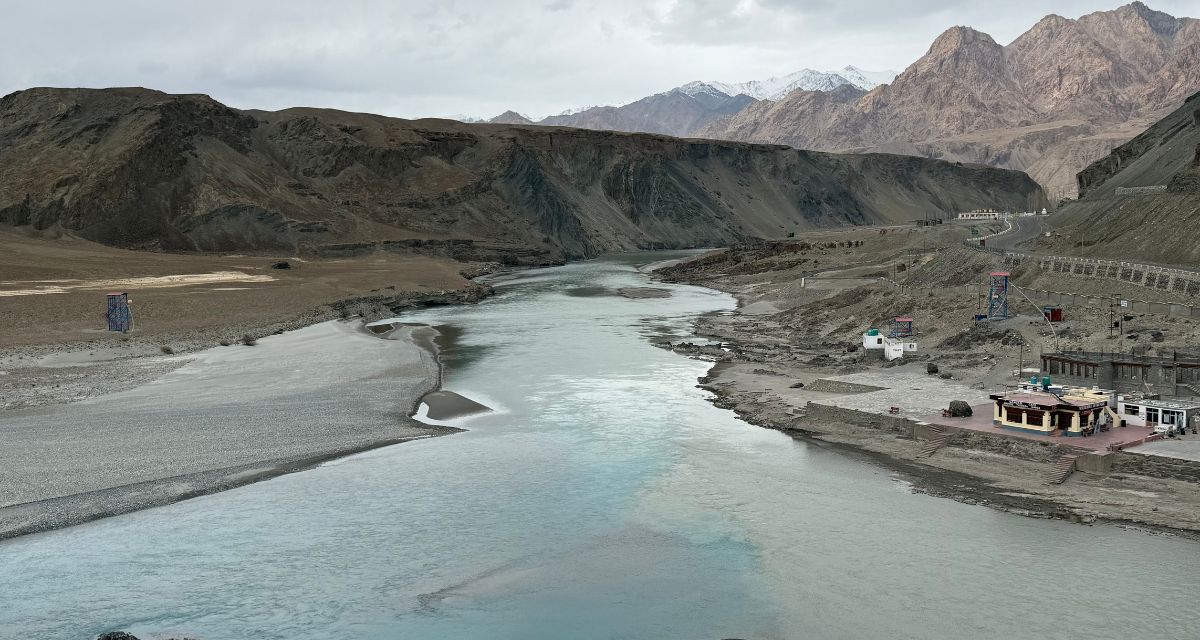 The confluence of the Zanskar river and the Indus river, a traditional gateway where winter turns water into a lifeline for Zanskar region of Ladakh (Photo - Dawa Dolma, 101Reporters)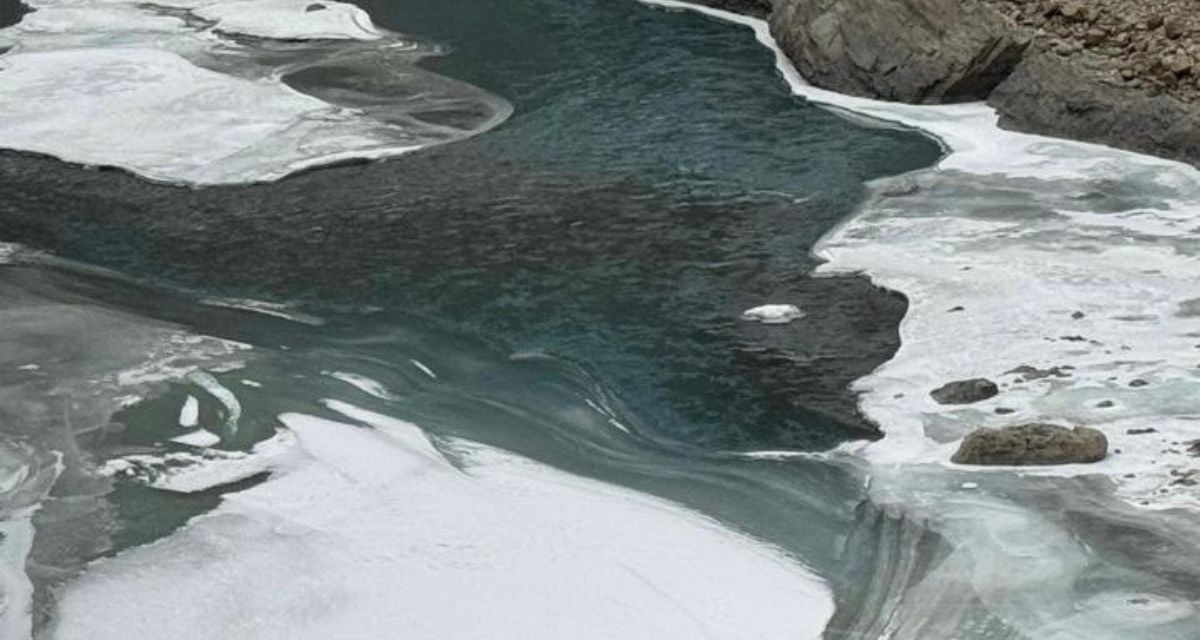
The vanishing winter economy
The Chadar Trek brings with itself a wave of economic activity to Ladakh every winter. Adventure tour operators, trekking agencies, porters, guides, cooks, and homestay owners depend heavily on the season. But this year, the suspension of the trek has left many livelihoods uncertain.
“I have worked as a porter, cook and guide on the Chadar Trek for more than 15 years” said Stanzin Stobdan, 38 from Nyerak.
“A porter usually carries around 20kg of supplies including food and the client's baggage. The journey from Tilat Sumdo to Nyerak takes about a week and trekking further into Zanskar can take up to 15 days. In a good winter season, I would earn over two lakhs,” he added.
However, with the ice failing to form this year, Stobdan said he had to look for alternative work.
“This winter I had no trekking work, so I have been working as a daily wage laborer with Border Roads Organisation in building roads” he expressed concern over the uncertain future of the winter livelihood many locals depend on.
Hundreds of trekkers from India and abroad participate every year with registrations often exceeding 500 participants in a season. Many homestay owners along the routes also depend heavily on the Frozen trek for their income.
One such example is Norlha Homestay in Lingshed.
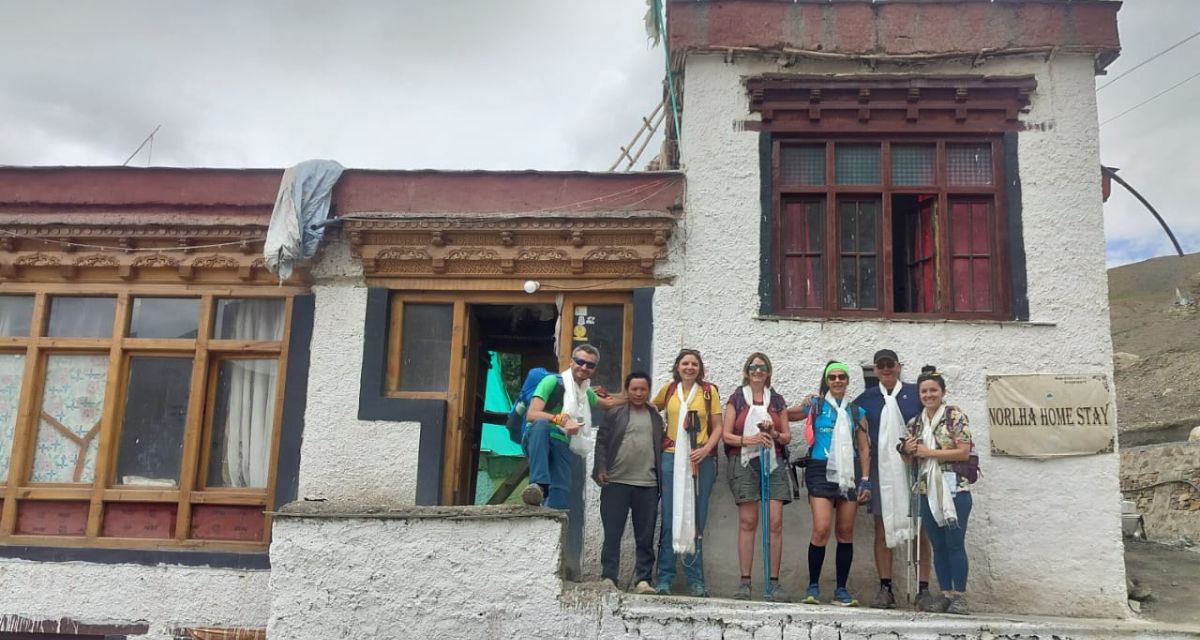 Many homestay owners along the routes also depend heavily on the Frozen trek for their income (Photo - Dawa Dolma, 101Reporters)
“I usually host around 70-80 guests per season and earn nearly three lakhs but this year there were almost no guests. It has been a very difficult year. As the sole breadwinner for a family of five, Stanzin Norlha (36) said the financial strain has been severe. I have three children and managing school fees and household expenses has become a challenge,” he adds.
While a few visitors still travel to the region during winter, they rarely stay overnight.
“Some tourists come by taxi just to see the frozen waterfall nearby and leave the same day without staying in the village. Without trekkers spending nights here, homestays like ours earn almost nothing. It has been a very exhausting and worrying year” Norlha said.
A warning from the mountains
The Zanskar frozen river was more than just a natural phenomenon for generations. It was a bridge between isolated villages and the outside world. Zanskari villagers once walked across it carrying supplies and news between settlements.
Now they have a newly constructed road connecting from Leh to Zanksar via Chilling and from Manali to Zanskar via Shinkoo Pass. They have connected year round via these two routes but in a meanwhile the Chadar Trek disappeared.
In recent decades, it also brought trekkers from around the world by creating a fragile but vital winter economy for guides, porters, homestay and small businesses in villages along the river.
The cancellation of the Chadar trek is felt not only in the landscape but in the lives of the people who depend on it. The missing Chadar is a stark reminder that something is changing.
What is unfolding in Ladakh is not just a local story but part of a larger pattern affecting fragile mountain ecosystems across the Himalayas. Warmer winters, scanty snowfall and shorter freezing periods are slowly reshaping the natural cycles that communities have relied on for centuries.
If the Chadar can disappear, so too can many other cultural and ecological legacies shaped over centuries by nature’s delicate balance.
This story was produced as a part of 101Reporters Climate Change Reporting Grant. Cover photo - The frozen river has served as a vital winter route for villagers and children crossing it to access education and essential services (Photo - Dawa Dolma, 101Reporters)
Would you like to Support us
101 Stories Around The Web
Explore All NewsAbout the Reporter
Write For 101Reporters
Would you like to Support us
Follow Us On